


Diatomite: Properties, Uses and Industrial Applications
Diatomite as an Industrial Mineral
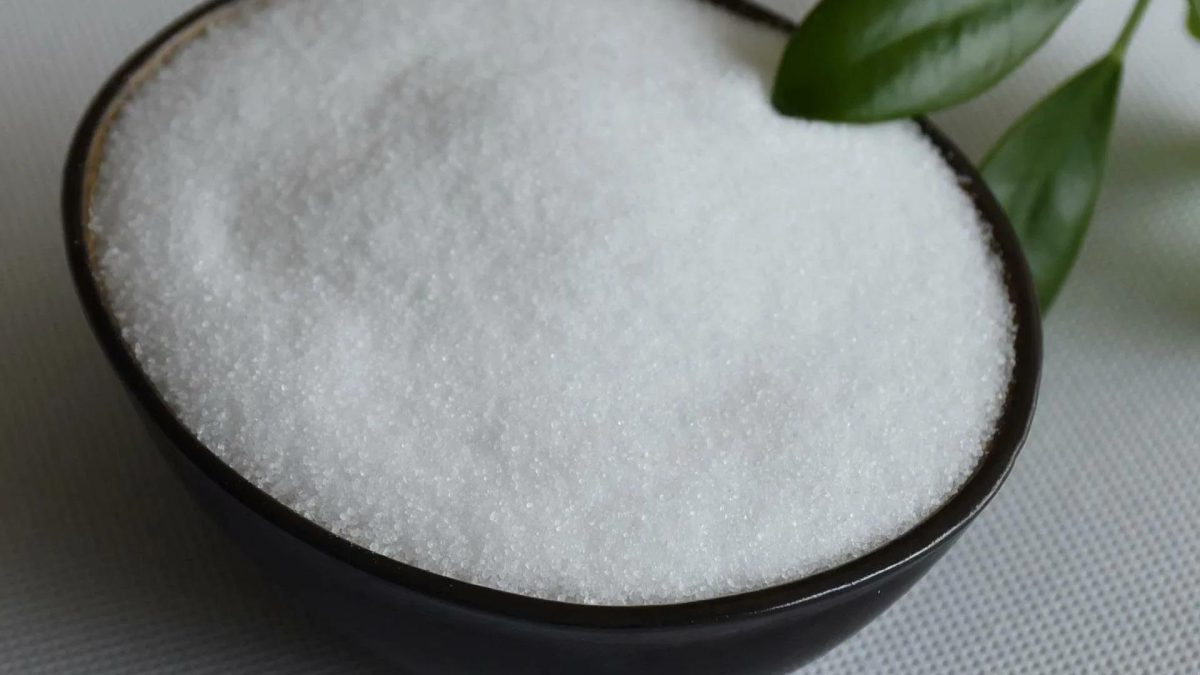
Diatomite is a remarkable industrial mineral whose value derives entirely from the biological origin of its constituent particles — the frustules of diatoms that have accumulated and lithified over millions of years into sedimentary deposits of practical commercial thickness. دیاتومیت is processed from these deposits through mining, drying, and various degrees of thermal and chemical treatment to produce the family of products that serve the diverse industrial applications discussed in this article.
Key Physical Properties
The physical properties that make diatomite industrially valuable are directly derived from the structural characteristics of the diatom frustules that compose it. The extremely high surface area — typically 20 to 60 square meters per gram for natural diatomite and higher for acid-treated varieties — provides the adsorption capacity that underlies filtration and absorbent applications. The very low bulk density — typically 200 to 400 grams per liter — reflects the high internal porosity that characterizes diatomite and contributes to its value as a lightweight filler and insulating material. The hardness of approximately 4.5 to 6 on the Mohs scale provides the gentle abrasiveness that makes diatomite useful in polishing applications and contributes to its insecticidal mechanism.
Water Filtration and Purification
Water filtration is one of the most important industrial applications of diatomite. The use of diatomite as a filter aid in swimming pools has made it familiar to consumers, but the industrial scale of diatomite filtration is far larger — encompassing municipal drinking water treatment, beverage filtration, pharmaceutical solution clarification, and industrial process stream filtration. In each of these applications, diatomite is applied as a precoat filter aid on a filter support, and the porous, interconnected filter cake formed by the diatomite particles provides the fine particle retention that removes contaminants from the filtered liquid.
Insulating Products for High Temperature
The high-temperature insulation applications of diatomite exploit its combination of low density, low thermal conductivity, and resistance to structural collapse at elevated temperatures. Diatomite insulating bricks and precast refractory shapes are used to line furnaces, kilns, and other high-temperature industrial equipment where their insulating properties reduce heat loss, reduce energy consumption, and protect the outer structural shell of the equipment from the heat of the interior. The relatively low cost of diatomite insulation compared to higher-performance ceramic fiber insulation makes it economically attractive for applications where its temperature capability (typically up to about 1000°C) is adequate.
Anti-Blocking Agent in Films and Coatings
The polymer film industry uses diatomite as an anti-blocking additive that prevents plastic films from sticking together when stacked or rolled. When incorporated into a plastic film at very low concentrations — typically 0.2 to 0.5 percent by weight — fine diatomite particles create microscopic surface roughness that prevents the intimate surface contact that causes film blocking (sticking). This application requires very fine, narrow particle size distribution diatomite grades that provide anti-blocking effectiveness without reducing film transparency.
Carrier and Filler Applications
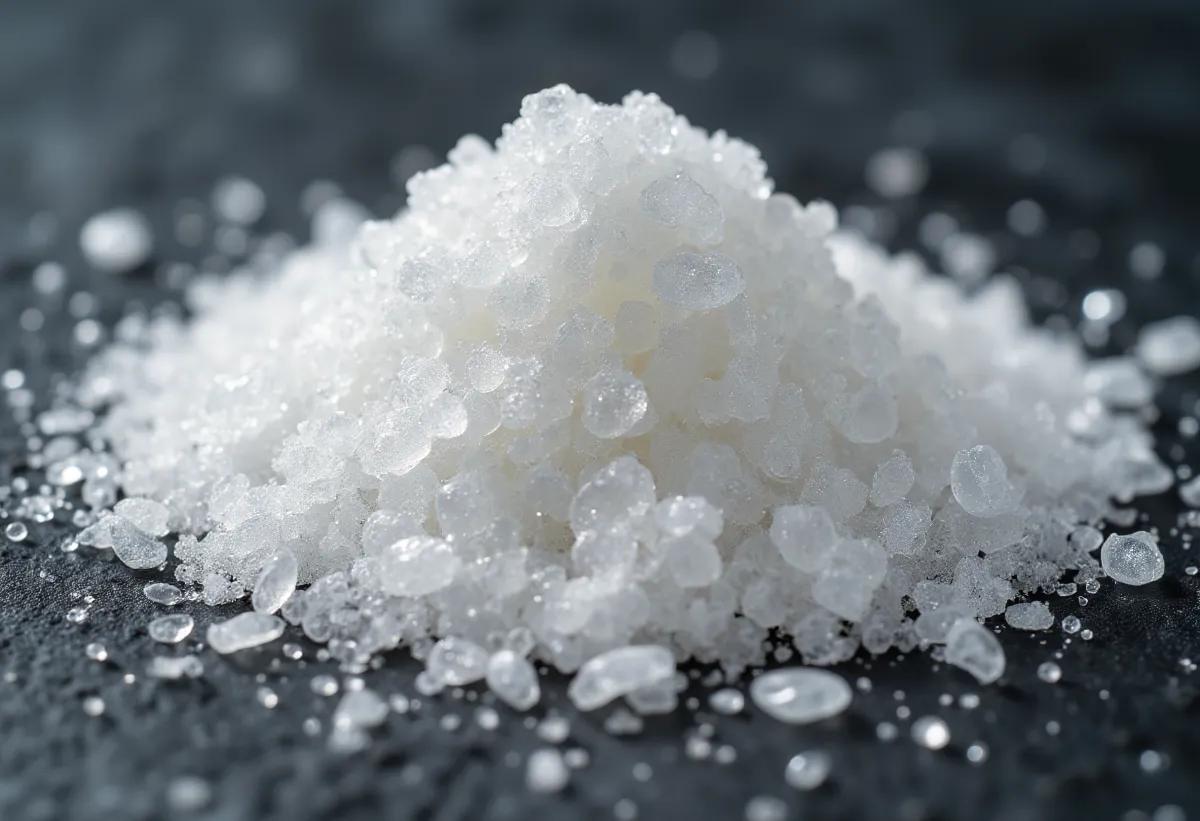
Diatomite serves as an effective carrier for active materials in various applications where a high-surface-area, chemically inert substrate is needed to support and distribute active components. Insecticide formulations use diatomite as a carrier for active insecticide compounds. Agricultural chemical formulations use it as a carrier for fungicides and herbicides. And food processing uses food-grade diatomite as a carrier for flow-promoting agents added to powdered food ingredients.
Procurement and Quality Specifications
Industrial buyers of diatomite for specific applications should specify the required grade — natural, calcined, or flux-calcined — and the key physical properties relevant to their application including particle size distribution, bulk density, SiO2 content, and the application-specific performance property (filtration rate, oil absorption, or surface area) that determines suitability for the intended use.

 English
 Arabic
 French
 Spanish
 Portuguese
 Deutsch
 Turkish
 Italiano
 Russian
 Romaian
 Portuguese (Brazil)
 Greek
Greek