


How Professional Couch Cleaners Handle Pet Stains
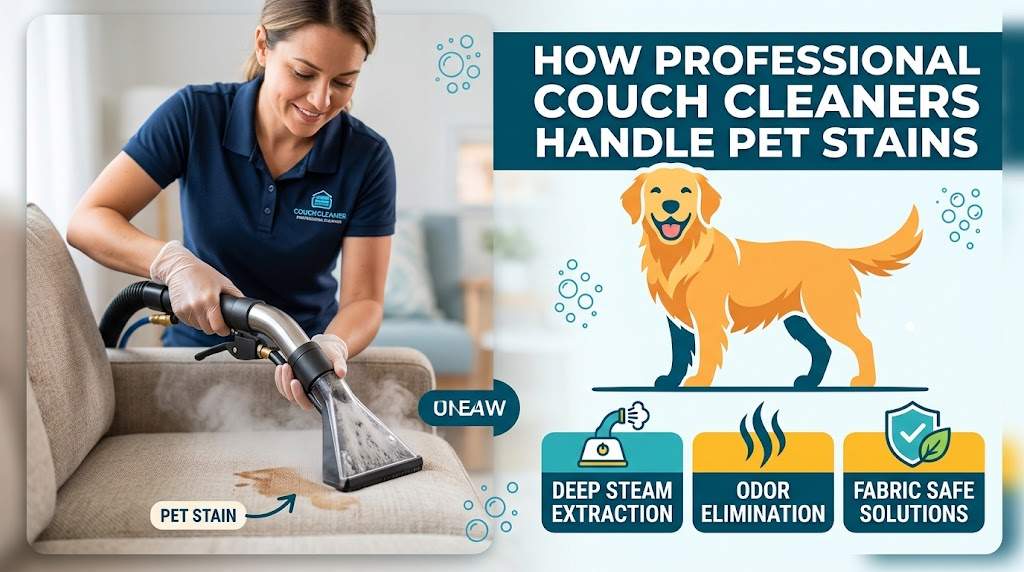
Pets bring comfort, companionship, and plenty of happy moments into a home. However, they can also leave behind unexpected messes on your furniture. Whether it is a puppy having an accident, a cat leaving a stain, or a pet tracking dirt onto the cushions, these problems can be difficult to manage. Pet stains do more than affect the appearance of a couch. They can leave lingering odors, penetrate upholstery fibers, and sometimes cause discoloration if they are not treated properly.
While everyday cleaning methods can help with minor messes, stubborn stains often require a more careful approach. Couch Cleaners San Diego can help homeowners address pet-related stains by identifying the affected material, selecting suitable cleaning solutions, and removing embedded residue without unnecessarily damaging the upholstery. Understanding how professional cleaning works can help you make better decisions about your furniture and keep your living space comfortable for both people and pets.
Why Pet Stains Are Difficult to Remove
Pet stains are not all the same. Urine, vomit, muddy paw prints, saliva, and oily residue from a pet's coat each present different cleaning challenges. The appropriate treatment depends on the substance, how long it has been on the couch, and the type of upholstery involved.
Pet Urine Can Penetrate Deep Into Upholstery
Pet urine is particularly challenging because liquid can travel beyond the visible stain. Depending on the couch's construction, it may soak through the fabric and into the cushion filling. Cleaning only the surface can leave residue behind, allowing unpleasant odors to return when the area becomes warm or humid.
As urine dries, its remaining compounds can become more difficult to remove. Repeated accidents in the same location may also make odor problems worse.
Different Stains Require Different Treatments
Mud and dirt may respond well to appropriate upholstery cleaning, while vomit can contain organic material that requires careful removal. Saliva and oils may leave marks that are not easily removed with plain water.
Using the wrong cleaning product can spread a stain, damage delicate fibers, or cause colors to fade. Professional cleaners assess these differences before deciding how to proceed.
Step 1: Inspecting the Couch and Identifying the Stain
Professional couch cleaning begins with an assessment rather than immediately applying water or cleaning products.
Checking the Upholstery Fabric
Couches can be made from cotton, polyester, microfiber, linen, velvet, leather, and blended materials. Each material has different cleaning requirements. Some fabrics tolerate water-based cleaning, while others may shrink, develop watermarks, or lose their texture when treated incorrectly.
Cleaners check the manufacturer's care label when available and examine the fabric's condition. They may also test a cleaning solution on a small, inconspicuous area to check for color transfer or other unwanted reactions.
Determining How Deep the Stain Has Spread
The visible mark does not always show the full extent of the problem. A cleaner may inspect the cushion seams, surrounding fabric, and areas beneath removable cushions to determine whether the contamination has spread.
This assessment helps establish whether surface treatment is likely to be sufficient or whether additional attention is needed for the cushion itself.
Step 2: Removing Loose Debris and Excess Moisture
Before applying a cleaning solution, professionals remove loose dirt and as much excess material as possible.
For dried mud, this may involve allowing the residue to dry completely before gently loosening and vacuuming it away. Applying water too early can turn dry dirt into a muddy substance that spreads through the fabric.
For fresh urine or other liquid spills, absorbent materials can help remove excess moisture. Cleaners generally blot rather than rub, using controlled pressure to lift liquid from the upholstery.
Rubbing can push contamination deeper into the fibers, enlarge the affected area, or damage the fabric's surface. Gentle removal creates a better starting point for the next stage of cleaning.
Step 3: Choosing the Right Cleaning Solution
Selecting an appropriate cleaning product is essential when treating pet stains. A solution that works well on one type of upholstery may be unsuitable for another.
Using Enzyme-Based Cleaners for Organic Stains
Enzyme-based products are often used to treat pet urine and other organic residues. Depending on the product's formulation, enzymes help break down specific stain-causing materials, making the remaining residue easier to remove.
These products must be used according to their instructions. They may require a particular contact time, and not every formula is suitable for every fabric. A professional considers both the stain and the upholstery before choosing this approach.
It is also important to understand that enzymes do not instantly eliminate every odor. The results depend on the product, the type and age of the stain, and how deeply the contamination has penetrated.
Avoiding Harsh or Incompatible Products
Household cleaners are not always designed for upholstered furniture. Strong chemicals, excessive detergent, or untested homemade mixtures may cause discoloration, leave sticky residue, or interfere with other cleaning products.
Professionals select solutions appropriate for the material and avoid mixing cleaning chemicals. This is especially important when dealing with pet messes because some substances can react dangerously when combined.
Step 4: Treating the Stain Without Damaging the Fabric
Once the suitable solution has been selected, the cleaner applies it to the affected area using a method appropriate for the upholstery.
The aim is to treat the contamination effectively without saturating the couch unnecessarily.
Controlled Application and Blotting
Depending on the fabric and product, cleaners may use a cloth, a specialized applicator, or upholstery-cleaning equipment. They work carefully to prevent the stain from spreading into unaffected areas.
The cleaning solution is given enough time to work when required by its instructions. The area is then treated to lift the loosened residue.
This controlled process is particularly important for delicate fabrics, where excessive moisture or aggressive scrubbing can cause permanent changes to the texture or appearance.
Adjusting the Method for Different Fabrics
Microfiber, for example, may respond well to specific upholstery-safe methods, but some microfiber fabrics can develop watermarks if they are cleaned unevenly. Velvet requires special attention to its pile, while leather generally needs products formulated for leather rather than ordinary fabric upholstery cleaners.
Professional cleaners adapt their approach instead of relying on a single technique for every couch. This reduces the risk of turning a manageable stain into a more expensive furniture problem.
Step 5: Extracting Embedded Dirt and Residue
After pretreatment, professional equipment may be used to remove loosened contaminants, cleaning solution, and moisture.
Upholstery Extraction Cleaning
For suitable water-cleanable fabrics, hot water extraction or another upholstery extraction method may be appropriate. The equipment applies a controlled amount of cleaning solution and extracts it along with suspended dirt and residue.
Extraction can be helpful when pet contamination has reached deeper into the upholstery. However, it must be performed correctly because excessive moisture can damage certain materials, affect cushion fillings, or extend drying time.
Not every couch should be cleaned using hot water extraction. Fabric type, manufacturer guidance, and the extent of contamination determine whether this method is suitable.
Preventing Cleaning Residue From Remaining Behind
Leftover detergent can attract dirt, making a recently cleaned area look dirty again sooner than expected. Proper rinsing or extraction helps reduce this problem.
The objective is not simply to make the stain less visible. It is to remove as much unwanted residue as the fabric and cleaning method safely allow.
Step 6: Neutralizing Lingering Pet Odors
A couch may look clean but still smell unpleasant. This often happens when odor-causing residue remains in the cushion or beneath the fabric.
Professional cleaners investigate the likely source of the smell instead of relying solely on air fresheners or scented sprays.
Addressing the Source Rather Than Masking the Smell
Odor treatments may involve enzyme-based products, appropriate upholstery cleaning, and targeted treatment of affected cushion areas. The correct approach depends on the contamination and the couch's construction.
Adding fragrance without removing the underlying residue may only hide the smell temporarily. Likewise, excessive deodorizing products can leave their own residue behind.
If urine has penetrated deeply into foam or another absorbent component, surface cleaning may not completely resolve the problem. In some cases, a removable cushion insert may need separate treatment or replacement.
Why Drying Matters for Odor Control
Damp upholstery can develop musty odors, particularly when moisture becomes trapped inside thick cushions. Proper moisture removal and adequate airflow help reduce this risk.
Professionals may use air movers or recommend ventilation to support drying. They should also explain when the couch can safely be used again.
Step 7: Drying and Inspecting the Couch
Drying is an important part of the cleaning process. Even when a stain has disappeared, the job is not complete until the upholstery has been allowed to dry appropriately.
Drying time varies according to the fabric, cushion thickness, humidity, ventilation, and amount of moisture used during cleaning. Some couches dry within several hours, while others need considerably longer.
Homeowners can support the process by improving airflow, using fans when appropriate, and keeping pets away from damp cushions. Avoid placing a couch in direct sunlight or applying intense heat unless the manufacturer's care instructions permit it.
After cleaning, the professional checks the treated area for remaining discoloration, residue, or odor. If a stain has permanently altered the fabric's color, complete removal may not be possible. An honest assessment helps homeowners understand what has improved and whether further treatment is worthwhile.
Common Mistakes to Avoid When Cleaning Pet Stains
Professional techniques are useful, but homeowners can also prevent many problems by avoiding a few common mistakes.
Scrubbing aggressively: Vigorous rubbing may damage upholstery fibers and spread the stain. Blotting is generally safer for fresh spills.
Using too much water: Excess moisture can travel into cushion filling and create prolonged drying problems.
Applying an untested cleaning product: Some products can bleach, discolor, or weaken particular fabrics. Always follow the upholstery manufacturer's care instructions.
Mixing cleaning chemicals: Never combine products such as bleach and ammonia. Dangerous fumes can result.
Using heat on a fresh stain: Heat may make some stains more difficult to remove. Check the fabric and product instructions before applying heat or steam.
Covering up odors with fragrance: Air fresheners do not necessarily remove the substances causing the smell.
Allowing accidents to go untreated: Prompt attention can prevent a small spill from becoming a deeper cleaning challenge.
How to Prevent Future Pet Stains
Even with careful cleaning, prevention makes maintaining a couch much easier.
- Use washable furniture covers: Place a washable cover over your pet's favorite resting spot and clean it regularly.
- Keep cleaning supplies accessible: Store clean absorbent cloths and a fabric-compatible pet stain product where you can reach them quickly.
- Vacuum regularly: Removing loose hair, dirt, and dander helps prevent buildup between professional cleanings.
- Address accidents promptly: Blot fresh liquid and follow the upholstery manufacturer's cleaning guidance.
- Maintain your pet's routine: Consistent house-training and regular outdoor breaks can help reduce accidents.
- Schedule cleaning when needed: Professional care may be worthwhile when stains recur, odors persist, or routine maintenance no longer produces satisfactory results.
Regular maintenance is particularly helpful for households with multiple pets or animals that spend much of their time on upholstered furniture.
When Should You Hire Professional Couch Cleaners?
Not every small stain requires professional treatment. A minor, fresh mark may be manageable at home if the fabric's care instructions allow it and you use a suitable product.
Professional help becomes more useful when the stain has dried, the odor keeps returning, multiple areas are affected, or contamination has reached the cushion filling. It is also worth considering professional cleaning when the couch is made from delicate or expensive material and you are unsure how to treat it safely.
A qualified cleaner should explain the proposed method, discuss any limitations, and avoid promising that every stain can be removed completely. Permanent discoloration, previous cleaning damage, and deeply penetrated contamination can all affect the final result.
When comparing cleaning services, ask whether the provider has experience with your particular upholstery type, what method they recommend, and how they handle persistent pet odors. These questions help you understand what to expect before the work begins.
Conclusion
Pet stains do not automatically mean that your couch needs to be replaced. With the right assessment, fabric-safe cleaning products, careful stain treatment, and appropriate moisture extraction, many pet-related marks and odors can be significantly reduced or removed. The key is to treat the source of the problem rather than simply covering up its visible effects.
For everyday maintenance, prompt blotting, regular vacuuming, and washable furniture covers can make a meaningful difference. When stains are stubborn or odors continue to return, experienced professionals can help determine the most suitable approach for your upholstery. Coastal Carpet Care can be a resource for homeowners seeking professional carpet and upholstery cleaning in San Diego, helping them explore practical ways to maintain cleaner, fresher furniture while protecting the comfort of their homes.

 English
 Arabic
 French
 Spanish
 Portuguese
 Deutsch
 Turkish
 Dutch
Dutch
 Italiano
 Russian
 Romaian
 Portuguese (Brazil)