


Frontline Hair Fixing in Dubai for a Natural Hairline
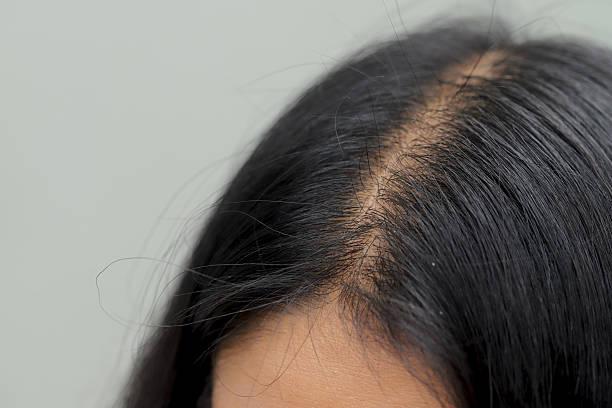
A Frontline Hair Fixing in Dubai procedure is a hair restoration treatment designed to improve a receding, uneven, or thinning frontal hairline by transplanting suitable hair follicles into carefully selected areas. The aim is to create a hairline that complements facial proportions while respecting natural hair growth direction, existing follicles, and the patient's long-term hair-loss pattern.
For many people, the front of the scalp has a significant influence on their overall appearance. Even modest recession at the temples or a thinning frontal band can change how the forehead and face are perceived, which is why thoughtful planning matters as much as the procedure itself.
How Frontline Hair Fixing Addresses Dubai's Everyday Challenges
Dubai's climate and lifestyle can affect scalp comfort and postoperative care, although environmental conditions alone do not determine whether a hair transplant succeeds. Strong sunlight, heat, humidity, and frequent transitions between outdoor temperatures and air-conditioned interiors make it sensible to plan recovery around daily routines.
Sun Exposure and Scalp Protection
The scalp may be more sensitive during the early healing period. Direct sunlight should be avoided according to the surgeon's instructions, and patients should ask when it is safe to resume wearing a hat or using scalp products.
Sun protection remains important after recovery, particularly for people who spend time outdoors. The timing and method of protection immediately after surgery must be guided by the clinical team so that healing grafts are not disturbed.
Humidity, Sweat, and Air Conditioning
Dubai's humid summers can make sweating more noticeable, while indoor air conditioning may contribute to a feeling of dryness or discomfort. Neither condition automatically causes graft failure, but sweat, friction, and inappropriate scalp products can complicate early aftercare.
Patients who exercise regularly should discuss when they can return to their normal training routine. Swimming, strenuous workouts, and activities that involve rubbing or impact to the scalp may need to be paused temporarily.
Planning Around Travel
International travel is common for Dubai residents, but a procedure should not be scheduled so tightly that there is no time for follow-up. Patients travelling soon after surgery should ask about the recommended recovery window, access to clinical support, and what to do if unexpected symptoms develop.
A practical approach to the local environment:
Consultation and scalp assessment
↓
Individual hairline design and donor evaluation
↓
Procedure with appropriate graft handling
↓
Clinician-guided aftercare and scalp protection
↓
Follow-up and gradual growth assessment
How Frontline Hair Fixing Compares With Other Options
Not every receding hairline requires surgery. The right approach depends on whether the concern is caused by established pattern hair loss, temporary shedding, a naturally high hairline, or another scalp condition.
| Treatment option | Main purpose | Important consideration |
|---|---|---|
| Hair transplantation | Relocates suitable follicles to selected areas of the hairline | Requires adequate donor supply and careful surgical planning |
| Medical hair-loss treatment | May slow certain forms of ongoing hair loss or support existing hair | Suitability, benefits, and side effects depend on the treatment and patient |
| Platelet-rich plasma (PRP) | Uses a preparation derived from the patient's blood as a scalp treatment | Results vary, and it does not replace transplantation for every established bald area |
| Scalp micropigmentation | Creates the appearance of added density using pigment in the scalp | It does not grow hair or replace missing follicles |
| Non-surgical styling approaches | Changes the appearance of hairline density without surgery | Effects are temporary and depend on hair length and styling |
These options are not interchangeable. A clinician can help establish the likely cause of hair loss and explain which treatments may be appropriate, including whether a combination approach makes sense.
Clinical Execution and Hairline Design
Why Facial Anatomy Matters
A natural-looking frontal hairline should suit the patient's facial proportions, age, hair characteristics, and pattern of recession. Designing it too low or too straight may look artificial and can consume donor follicles that could be needed if hair loss progresses.
The temples also need attention. Their shape and transition into the frontal hairline influence how the result frames the face, so the plan should consider more than the central forehead alone.
Understanding Follicular Graft Placement
Hair transplantation involves relocating follicular units from a suitable donor region, often at the back or sides of the scalp, to the recipient area. Depending on the chosen surgical method, individual follicular units may be extracted using Follicular Unit Extraction (FUE) or prepared from a strip of donor scalp using follicular unit transplantation (FUT).
The recipient sites are planned to reflect the angle, direction, and distribution of existing hair. Fine, single-hair follicular units may be used along the leading edge when clinically appropriate, while other graft types may be placed behind it to support coverage.
The procedure requires careful handling of the follicles and thoughtful use of the donor supply. Hair transplantation is surgery, so risks can include bleeding, infection, scarring, temporary shedding, and an outcome that does not meet expectations.
Learn more about the treatment approach on the Frontline Hair Fixing in Dubai service page.
Is FUE Suitable for Everyone?
FUE is a harvesting technique, not a guarantee of a particular cosmetic result. Suitability depends on donor density, hair characteristics, the size of the recipient area, the condition of the scalp, and the clinician's assessment.
Patients with active or unexplained hair loss, diffuse thinning in the donor area, or certain scalp conditions may need further evaluation before surgery. A responsible plan also considers how the hairline may look if native hair continues to thin in the future.
Patient Concerns and Clinical Realities
“Will the new hairline look completely natural?”
Naturalness depends on design, graft selection, placement angles, hair characteristics, healing, and the progression of surrounding hair loss. No clinician can guarantee a specific appearance, but careful planning can help support a result that fits the individual's features.
“Will transplanted hair grow immediately?”
No. Transplanted hair shafts commonly shed during the early weeks after surgery. New growth generally develops over several months, and maturation can continue for a year or longer.
“Once my hairline is restored, will I stop losing hair?”
A transplant relocates follicles; it does not automatically stop the underlying process of pattern hair loss. The clinician may discuss medical management or monitoring to help address continued thinning in non-transplanted areas.
The Frontline Hair Fixing Treatment Roadmap
- Initial consultation: Discuss the pattern of recession, medical history, previous treatments, expectations, and any relevant scalp symptoms.
- Scalp and donor assessment: Evaluate donor density, hair calibre, the condition of the recipient area, and the likely progression of hair loss.
- Hairline planning: Design a hairline that considers facial proportions, temple shape, existing hair, and future donor needs.
- Procedure planning and treatment: Confirm the appropriate surgical method, anaesthesia plan, graft strategy, risks, and aftercare instructions before proceeding.
- Early recovery: Follow instructions for scalp washing, sleep positioning, activity restrictions, and protecting the recipient area.
- Growth monitoring: Attend follow-up appointments and assess progress over several months rather than judging the result during early shedding.
The exact sequence, treatment duration, and recovery requirements vary by patient. The treating clinician should explain the plan and provide individual instructions before surgery.
Long-Term Hairline Care and Hair Health
A well-planned hairline restoration should account for more than the immediate cosmetic change. Donor hair is limited, and future recession may affect the relationship between transplanted follicles and the surrounding native hair.
Long-term care may include monitoring hair density, discussing appropriate medical treatments, and maintaining a scalp-care routine suited to the patient's needs. A balanced diet and general health support normal hair function, but no lifestyle measure can guarantee transplant growth or prevent all forms of hair loss.
For patients considering Frontline Hair Fixing in Dubai, the starting point is a proper clinical assessment and a clear discussion of realistic outcomes. At Tajmeels Clinic, a personalised consultation can help you explore hairline restoration options, understand the role of donor hair and graft placement, and make an informed decision based on your scalp characteristics and long-term goals.

 English
 Arabic
 French
 Spanish
 Portuguese
 Deutsch
 Turkish
 Dutch
Dutch
 Italiano
 Russian
 Romaian
 Portuguese (Brazil)