


Europe Ready Meals Industry: Convenience, Healthier Choices, and Sustainable Packaging
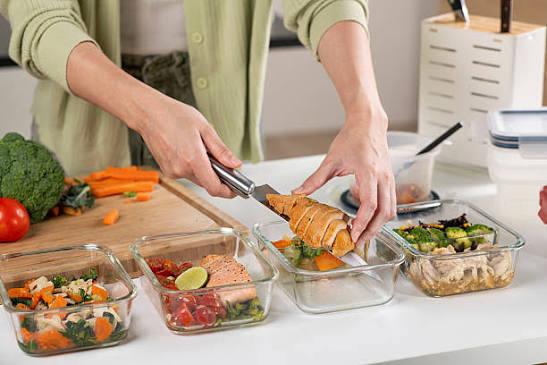
The Europe ready meals market is developing as changing lifestyles, urbanization, workforce participation, and evolving household structures increase demand for convenient food solutions. Ready meals include dried, shelf-stable, chilled, and frozen products designed to reduce preparation time. Their presence across supermarkets, convenience stores, online retail, specialty outlets, and foodservice channels is strengthening the role of prepared meals within European food consumption.
According to MarkNtel Advisor’s Europe Ready Meals market analysis, the market was valued at USD 28.60 billion in 2025 and is projected to increase from USD 30.10 billion in 2026 to USD 40.92 billion by 2032, registering a CAGR of 5.25% during 2026–2032. Frozen ready meals represented around 41% of the market in 2026, while supermarkets and hypermarkets accounted for approximately 46%.
Convenience Remains a Structural Demand Driver
Consumer preference for convenient, ready-to-heat meal solutions is one of the main factors supporting market development. Busy working schedules, urban lifestyles, and changing household structures can reduce the time available for preparing meals from individual ingredients. Ready meals provide consumers with accessible options that require limited preparation while covering different cuisines, portion sizes, and dietary preferences.
The broader European food sector provides a strong distribution and production base for these products. Eurostat’s Key Figures on the European Food Chain covers production, food processing, distribution, consumption, and environmental indicators across Europe, illustrating the scale and interconnected nature of the regional food system. This infrastructure supports the availability of processed and prepared food products across multiple markets.
Frozen Ready Meals Maintain Market Leadership
Frozen ready meals held approximately 41% of the Europe ready meals market in 2026, making them the leading product type. Their position is supported by longer storage life, established cold-chain infrastructure, and convenience for households purchasing food for future consumption. Frozen products can also provide manufacturers with greater inventory flexibility compared with more perishable chilled alternatives.
Product innovation is expanding the range of frozen meals available to European consumers. Manufacturers are introducing traditional recipes, international cuisines, plant-based meals, high-protein formulations, and portion-controlled options. Improvements in freezing and packaging technologies are also supporting product quality and helping manufacturers address consumer expectations related to taste, nutrition, and convenience.
Supermarkets and Hypermarkets Dominate Distribution
Supermarkets and hypermarkets represented approximately 46% of the European ready meals distribution market in 2026. Their leading position reflects extensive store networks, established refrigerated and frozen sections, broad product assortments, and strong private-label capabilities. Large retailers can provide ready meal producers with access to significant consumer bases while maintaining organized procurement and distribution systems.
The channel is also becoming increasingly connected with digital grocery services. Online ordering, home delivery, and click-and-collect options allow consumers to purchase frozen and chilled meals through both physical and digital retail ecosystems. This omnichannel structure can expand product accessibility while helping retailers integrate ready meals into routine grocery shopping.
United Kingdom Holds the Largest Country Share
The United Kingdom accounted for approximately 16% of the Europe ready meals market in 2026, representing the largest country-level share identified in the study. The country's established convenience-food culture, extensive supermarket network, and strong presence of chilled and frozen prepared meals contribute to its leading position.
The UK market also benefits from extensive private-label development, enabling retailers to offer ready meals across different price points and culinary categories. Competition between retailers and food manufacturers has encouraged product innovation, including premium recipes, international cuisines, healthier formulations, and plant-based alternatives.
Healthier and Functional Products Gain Attention
The shift toward healthier and functional ready meals represents an important trend across Europe. Consumers are increasingly paying attention to nutritional composition, protein content, fiber, salt, sugar, and saturated fat. These preferences are encouraging manufacturers to modify recipes and develop products positioned around specific nutritional characteristics.
Health considerations are also connected to wider European public-policy objectives. The market study notes that governments and food companies are placing greater emphasis on nutrition, reformulation, and clearer food information. As consumers compare products more closely, manufacturers may increasingly differentiate ready meals through nutritional attributes, ingredient transparency, and specialized formulations.
Multicultural Meals Create Product Opportunities
Europe’s diverse population is creating opportunities for international and multicultural ready meal categories. Consumers are increasingly exposed to cuisines from different regions through migration, tourism, restaurants, and digital media. Ready meal manufacturers can respond by adapting international recipes into convenient retail formats.
This trend can create opportunities for both established companies and smaller producers. Niche products based on regional cuisines can broaden retail assortments without requiring manufacturers to compete exclusively within traditional European meal categories. Private-label partnerships and contract manufacturing can also provide smaller brands with routes into supermarket distribution.
Packaging Sustainability Becomes More Important
Packaging is becoming a significant consideration for European ready meal manufacturers because frozen, chilled, and shelf-stable products depend heavily on packaging for protection, storage, labeling, and transportation. The EU’s Packaging and Packaging Waste Regulation is now applicable across the European Union, creating a harmonized framework covering packaging design, waste management, recyclability, and material use. These requirements are encouraging manufacturers to evaluate packaging formats and materials more closely.
Sustainability requirements can increase development and compliance complexity, particularly where packaging must balance recyclability with food protection and shelf-life requirements. Manufacturers therefore need to consider material efficiency, functional performance, labeling, and end-of-life recovery when developing new ready meal packaging.
Regulatory Compliance Remains a Challenge
Food safety and regulatory compliance remain important considerations for the industry. Ready meals can involve multiple ingredients, processing stages, storage requirements, and distribution networks, increasing the importance of appropriate controls. Manufacturers operating across several European countries must also manage product labeling, traceability, allergen information, and packaging requirements.
These obligations can raise costs for smaller producers and complicate cross-border expansion. However, compliance also supports consumer confidence and product consistency. Companies able to integrate quality management, traceability, packaging development, and food-safety processes into product development can respond more effectively to evolving European requirements.
Market Outlook
The Europe ready meals market is projected to reach USD 40.92 billion by 2032, expanding at a CAGR of 5.25% during 2026–2032. Convenience-oriented consumption, frozen meal demand, supermarket distribution,

 English
 Arabic
 French
 Spanish
 Portuguese
 Deutsch
 Turkish
 Dutch
Dutch
 Italiano
 Romaian
 Portuguese (Brazil)
 Greek
Greek