


Single Tooth vs. Full Mouth Implants: Understanding Your Options
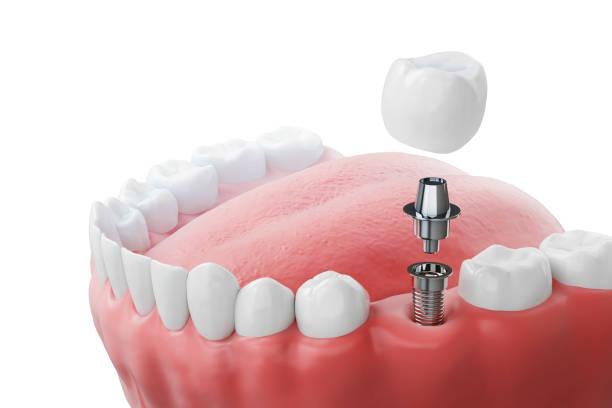
Losing a tooth is one thing. Figuring out what to do about it is another. Maybe a tooth broke while eating, or perhaps it has been giving you trouble for years and finally needs to come out. Either way, the next step isn't always obvious. When looking into a Tooth Implant in Simi Valley, you'll probably come across two options quite often: single tooth implants and full mouth dental implants. They sound similar, but the treatment can be very different. One replaces an individual missing tooth. The other can rebuild an entire row of teeth, sometimes both upper and lower arches. So, before you start comparing prices or booking treatment, it helps to understand what each option actually involves and whether it fits your situation.
Single Tooth Implants: A Fix for One Missing Tooth
Let's say you've lost a back molar, but your other teeth are doing just fine. You probably don't need a major dental reconstruction. A single tooth implant may be enough. The dentist places a small post into the jawbone, which acts like an artificial tooth root. After the area heals and the implant bonds with the bone, a crown is attached on top. That crown is shaped to fit with the rest of your teeth, so it doesn't look out of place when you smile. Another benefit is that the dentist generally doesn't have to grind down the healthy teeth next door to support a bridge. The process does take patience, though. Healing can take several months, and some people need a bone graft before the implant can be placed. It isn't a one-visit job, but the result can last many years with proper care.
When Is One Implant Enough?
The answer is usually pretty straightforward. If you've lost one tooth and the rest of your mouth is in decent condition, replacing that tooth individually is often worth considering. It might be a front tooth that's visible whenever you speak, or a molar that makes chewing on one side difficult. Leaving a gap alone isn't always harmless either. Nearby teeth can shift, and the bone in the area may gradually shrink after a tooth is lost. An implant helps replace the missing tooth root and can limit that bone loss. Still, the dentist needs to check the condition of your gums and jawbone first. Active gum disease, smoking, certain health conditions, and insufficient bone can complicate treatment. None of this means an implant is automatically off the table. It just means the dentist needs to work out what's going on before recommending one.
Full Mouth Implants: When Several Teeth Are Missing
Now, imagine a different situation. Several teeth are missing, the remaining ones are loose or badly damaged, and chewing has become a daily headache. Replacing each tooth separately may not be practical. This is where full mouth dental implants come into the picture. Instead of using one implant for every missing tooth, a dentist may place several implants to support a complete set of replacement teeth. Systems such as All-on-4 and All-on-6 use four or six implants per arch in suitable patients. The exact approach depends on the available bone, bite, and overall dental condition. For people who struggle with traditional dentures slipping around, fixed implant-supported teeth can feel much more stable. But let's be clear about something. Full mouth treatment is a serious commitment. There may be extractions, surgery, temporary teeth, and several appointments before everything is finished. The result can be worth it, but you need to know what you're signing up for.
Who Is a Good Candidate for Full Mouth Treatment?
People often assume full mouth implants are only for someone who has already lost every tooth. That's not necessarily the case. A person might still have several natural teeth, but if those teeth are severely damaged and unlikely to last, a dentist may discuss a full arch restoration. The important part is figuring out which teeth can be saved and which ones cannot. Your dentist will look at the gums, remaining teeth, jawbone, and how your upper and lower teeth come together. X-rays or three-dimensional scans may also be needed. Health matters here, too. Uncontrolled diabetes, untreated gum disease, and heavy smoking can make healing harder. These issues should be discussed honestly before surgery. And don't rush into removing teeth that could still be treated successfully. Once natural teeth are gone, there's no putting them back. Get a proper assessment before making that call.
Comparing Cost, Healing Time, and Everyday Care
Money is usually part of the conversation, whether people like talking about it or not. A single implant will generally cost less than a full mouth restoration because fewer teeth and fewer implants are involved. Full mouth treatment can include extractions, temporary restorations, laboratory work, and more complicated surgery, so the total adds up. Healing time isn't identical for everyone either. Some patients can receive temporary teeth soon after implant surgery, while others need to wait for the implants to heal before their final teeth are fitted. Your dentist will decide what's safe based on implant stability and other factors. Once treatment is finished, the work doesn't stop. Implants can't develop cavities, but the surrounding gums can still become inflamed or infected. Brush carefully, clean around the implant-supported teeth, and keep up with dental checkups. It's easy to think artificial teeth don't need much attention. That's a mistake, and an expensive one if problems develop.
Could You Save Your Natural Tooth Instead?
Before agreeing to an extraction, ask whether the tooth can actually be saved. A tooth that looks pretty rough isn't always beyond repair. In some cases, a crown or Root Canal in Simi Valley may help preserve the natural tooth and get it working again. Root canal treatment removes infected tissue from inside the tooth, after which the dentist may restore it with a crown or another suitable restoration. Of course, it doesn't work in every situation. A badly fractured tooth or one with too little healthy structure left may not be repairable. An implant could then be a more dependable option. Ask your dentist to explain both possibilities, including the likely costs and long-term outlook. You don't want to pay for treatment that has little chance of lasting, but you also don't want a natural tooth removed without a good reason. There needs to be a sensible balance.
Conclusion: Start With Your Actual Dental Needs
Choosing between a single tooth implant and full mouth implants isn't about which treatment sounds more advanced. It's about what your mouth needs right now. One missing tooth may only require a straightforward replacement. More widespread tooth loss can call for a bigger plan, particularly when the remaining teeth are in poor shape. The costs, healing process, and maintenance will differ, so take time to discuss the details with your dentist. Ask questions, get a second opinion if you're unsure, and don't feel pressured to decide everything in one appointment. A good treatment plan should make sense for your dental health and your budget. That's what matters most in the end.

 English
 Arabic
 French
 Spanish
 Portuguese
 Deutsch
 Turkish
 Dutch
Dutch
 Russian
 Romaian
 Portuguese (Brazil)
 Greek
Greek