


What Your Jawbone Is Doing While You’re Missing a Tooth (It’s Not Good)
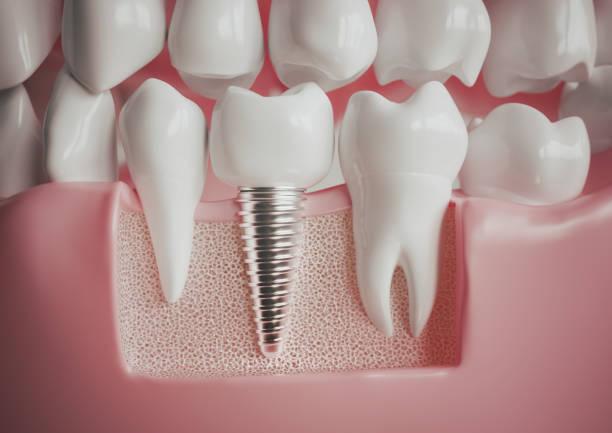
You lose a tooth, get through the first few days, and eventually stop thinking about it. Happens all the time. If the gap isn't visible when you smile, you might not even feel much pressure to do anything about it. But something is going on underneath your gums, and you won't notice it by looking in the mirror. The bone that once held your tooth in place starts losing some of its volume. That's one reason people looking into dental implants in Burbank CA shouldn't focus only on getting a replacement tooth that looks right. There's a whole other part of the problem sitting below the surface. And waiting doesn't always make things easier.
Your Jawbone Has a Job to Do
Here's something people don't usually think about. Your teeth help keep your jawbone healthy. Every time you bite into a sandwich, chew a piece of fruit, or crunch through something harder, pressure travels through your tooth roots into the bone around them. Your body uses that pressure as a signal to maintain the bone. Take the tooth away, and that signal goes with it. The area no longer gets the same regular stimulation, so the body begins breaking down some of that bone. Dentists call this bone resorption. It sounds complicated, but the basic idea isn't. The bone starts shrinking because the tooth that used to keep it active is gone. There's no pain alarm for this process, either.
The First Few Months Can Make a Difference
Bone loss can begin soon after a tooth is removed. In fact, changes often happen fastest during the first few months, although the amount varies between people. The ridge of bone where the tooth used to sit can become narrower, and its height may decrease as well. You probably won't wake up one morning and see a dramatic difference. It's more gradual than that. Still, these changes can affect the way a replacement tooth fits later on. Someone who waits a long time before seeking treatment may need extra procedures that weren't necessary earlier. That isn't guaranteed, so don't panic if you've already had a gap for years. But it is worth having the area checked instead of assuming everything underneath is fine.
One Missing Tooth Can Throw Other Teeth Off
Teeth don't always stay where they're supposed to when there's an empty space beside them. The neighboring teeth may slowly tilt or drift into the gap. A tooth directly opposite the missing one can also start moving out of position because it no longer has another tooth to bite against. Little by little, your bite can change. You might find yourself chewing differently or getting food trapped between teeth more often. Some people barely notice these changes until their dentist points them out. Others start feeling that their teeth don't come together quite the same way. It doesn't happen to everybody, and the timing isn't predictable. Still, a missing tooth can cause trouble beyond the spot where it came out.
Can Dental Implants Stop the Bone Loss?
They can help, but it's important to understand what they actually do. A dental implant is a small post placed in the jawbone to support a replacement tooth. As healing takes place, the bone bonds with the implant, giving it a stable foundation. When you chew, the implant transfers force into the surrounding bone, providing stimulation that a gap or a traditional removable denture doesn't provide in the same way. That's why dental implants in Burbank CA are worth discussing with a dentist if you're trying to replace a missing tooth. There's a catch, though. An implant can't magically bring back all the bone you've already lost. If the bone is too thin or too shallow, a graft may be needed before treatment. A proper examination will tell you more than guessing ever could.
What If the Tooth Has Been Missing for a Long Time?
Maybe the tooth came out five years ago. Maybe it's been even longer. Does that mean implants are off the table? Not necessarily. Plenty depends on how much bone remains, the condition of your gums, and your general oral health. Your dentist may take X-rays or recommend a 3D scan to see what's happening below the gumline. If the bone has shrunk considerably, bone grafting may help create a stronger foundation for an implant. It can mean another procedure and a longer healing period, which nobody particularly wants. But there may still be options. A bridge or another type of restoration could also make sense, depending on your situation. The point is to find out what you're working with before ruling anything out.
Looking After Your Gums Still Matters
Replacing a tooth doesn't mean the rest of your mouth can be forgotten about. Gum disease can damage the bone supporting your remaining teeth, and that's the last thing you need when you're already dealing with a missing tooth. Brush properly, clean between your teeth, and pay attention if your gums bleed regularly. Don't just shrug that off as normal. Regular checkups matter, too. Dentures in Burbank CA help remove hardened plaque that your toothbrush can't get rid of, and your dentist can check for signs of gum problems while you're there. Cleaning won't rebuild bone that's already been lost, but keeping your gums healthy helps protect the teeth and bone you still have. It's basic stuff, really, but it makes a difference over time.
Putting Off Treatment Can Limit Your Options
Let's be honest. Dental treatment costs money, takes time, and isn't always something people want to deal with after a long day at work. If the missing tooth isn't bothering you, putting it off can feel like the sensible choice. Sometimes people wait because they're nervous about implants, too. That's understandable. But leaving the gap alone doesn't mean nothing is happening. Bone changes can continue, nearby teeth may shift, and the way you bite can gradually change. None of this means you need to rush into treatment tomorrow. It does mean you should get an opinion from a dentist who can explain what's happening and what choices you have. Knowing your options now is better than finding out later that treatment has become more involved.
Conclusion: Don't Judge the Problem by What You Can See
A missing tooth can look like a small issue, especially when it's tucked away at the back of your mouth. Underneath, though, the jawbone may already be changing. The bone can shrink, nearby teeth can move, and replacing the tooth may become more complicated with time. How much of this happens depends on the person, so there's no reason to assume the worst. Just don't ignore it indefinitely. Get the area examined, ask about bone health, and find out whether an implant, bridge, or another option makes sense for you. You don't have to make every decision at once. Start by finding out what's actually going on. That's a much better place to begin than waiting for a problem you can feel.

 English
 Arabic
 French
 Spanish
 Portuguese
 Deutsch
 Turkish
 Dutch
Dutch
 Italiano
 Russian
 Portuguese (Brazil)
 Greek
Greek