


Tiny House on Wheels vs. Foundation: How the Legal Rules Differ
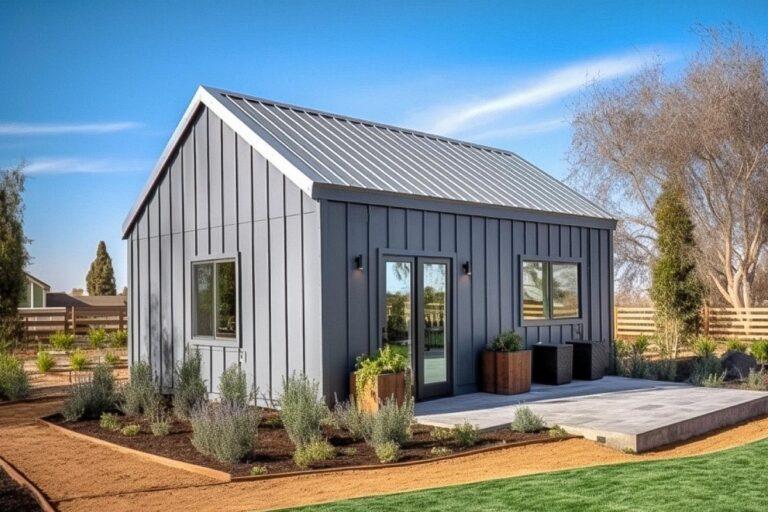
Buying or building a tiny house sounds pretty straightforward until you start asking where you can actually put it. That's usually when the questions begin. Can you live in it all year? Will the council allow it in your backyard? What happens if the house is on wheels but you have no plans to move it anywhere? These aren't small details, especially when you've already spent money on a design or bought a piece of land. Tiny house regulations can be quite different depending on whether your home sits on a trailer or rests on a permanent foundation. And no, making the house smaller doesn't mean the rules simply disappear. It's worth getting your head around the legal side before the excitement of building takes over.
A Tiny House on Wheels Isn't Always Considered a Home
Here's where people sometimes get caught out. A tiny house on wheels might look like a regular little house, with a kitchen, bathroom, bed, and everything else you'd expect. Legally, though, it may be treated as a recreational vehicle or trailer. That difference matters. In some places, you can park one in an approved RV park without much trouble. Put the same house on a residential lot and try living in it permanently, and you might run into restrictions. The rules depend on local laws and how the unit is classified. Registration and roadworthiness requirements can apply too, particularly if you intend to tow it on public roads. Having wheels doesn't give you permission to park anywhere you please. It just means the house may fall under a different set of rules, and those rules need checking before you make a purchase.
Building on a Foundation Means Dealing With Building Codes
A tiny house built on a permanent foundation is usually treated more like a conventional house. That brings a different set of responsibilities. You may need planning approval, a building permit, plumbing and electrical inspections, and proof that the structure meets local safety standards. Even the size of the house can become a problem. Some areas have minimum floor-space requirements, meaning a perfectly sensible little home might not qualify as a legal dwelling. Other places are more flexible, particularly where small secondary homes or backyard cottages are allowed. Foundation work can also involve drainage, soil conditions, structural strength, and local engineering standards. None of this is especially exciting when you're dreaming about your future kitchen or sleeping loft, but it matters. Finding out halfway through construction that your plans don't meet the local code is a costly way to learn.
Zoning Rules Can Ruin an Otherwise Good Plan
You can own a plot of land and still be unable to put the home you want on it. Sounds unfair, perhaps, but that's how zoning works. Local rules determine what can be built on a property and how it can be used. A wheeled tiny house might be permitted in a designated campground but not as a permanent residence in a suburban backyard. A foundation-based home can face its own problems, including restrictions on building height, setbacks, lot size, and the number of dwellings allowed on one property. There are places where accessory dwelling units are permitted, which can make a small second home possible. But the conditions vary. Before buying land, speak with the local planning office and explain the actual plan. Don't just ask whether tiny houses are allowed. Ask whether your particular type of home can be used as a full-time residence on that property. Those are two very different questions.
Can You Actually Live in It Full-Time?
This is probably one of the first things worth checking, especially if the tiny house is meant to be your main home rather than a weekend escape. Some local authorities allow temporary stays in RVs but restrict permanent occupancy. Others have specific rules for movable dwellings. A home on a foundation will generally need to meet the residential standards that apply locally before it can be occupied. That might include approved water and sewage systems, safe electrical installations, ventilation, heating, and other basic requirements. Depending on the location, you may also need a final inspection or an occupancy certificate. Going off-grid doesn't automatically get you around these requirements either. Solar panels and composting toilets can be useful, but local authorities may still have rules about sanitation, water supply, and electrical safety. It's better to know what is acceptable before designing the whole house around a system you might not be allowed to use.
Taxes, Insurance, and Money Nobody Mentions at First
Construction costs usually get most of the attention. Then the less exciting bills turn up. A tiny house on wheels may be insured or taxed under rules for trailers or recreational vehicles, depending on the jurisdiction and its classification. A permanently fixed house might fall under residential property tax rules instead. There isn't one answer that works everywhere. Insurance deserves a closer look too. Some policies won't cover a wheeled home used as a full-time residence, while an ordinary homeowners policy may not suit a structure that doesn't meet the insurer's definition of a permanent dwelling. Getting a loan can also be more difficult for unusual property types. Before deciding which option is cheaper, ask an insurer and lender what they would require. A lower construction price doesn't help much if the ongoing costs turn out to be higher than expected.
What to Ask Before Hiring Tiny House Builders
A builder can help you work through the practical side of the project, but you should still ask plenty of questions. Experienced tiny house builders may understand construction standards, trailer specifications, insulation, and utility installations. However, local planning rules aren't necessarily the same from one town to the next, and not every builder will handle permit applications for you. Ask who is responsible for getting approvals and arranging inspections. If the house is on wheels, find out whether the trailer meets the relevant registration and road safety requirements. If it's going on a foundation, check whether the design can be approved on your chosen property. Get clear answers about what is included in the quote, too. It's easy to assume permits and compliance work are part of the deal, only to discover they're extra. A few awkward questions before signing a contract are better than a dispute after the money is gone.
Which Type Makes More Sense for You?
Think about how you plan to use the house, not just how you want it to look. If travelling matters to you, or you want the option of moving the home later, a wheeled design could be the better fit. But you'll need somewhere legal to keep it, and moving it may involve registration, towing limits, and other practical issues. A foundation-based home makes more sense for someone who wants a permanent place to live and has land where residential construction is permitted. It may also make utility connections and certain financing arrangements simpler, although that isn't guaranteed. Neither option wins in every situation. The right choice depends on your property, your budget, and the rules where you intend to settle. Start there, rather than choosing a design first and hoping everything else falls into place.
Conclusion: Don't Leave the Legal Work Until Last
Tiny houses offer a different way to live, but they still have to fit within the rules of the place where they're built or parked. A house on wheels may be treated as a vehicle, while a foundation-based home is generally subject to residential building requirements. Zoning, utility connections, permits, insurance, and full-time occupancy rules can all affect the decision. Before spending serious money, talk to the local building or planning department and ask what applies to your specific project. Get the details in writing where possible. Tiny house regulations might not be the most interesting part of building a home, but ignoring them can turn a manageable project into an expensive mess. Better to spend a little time checking now than discover later that the home you've built isn't one you're legally allowed to live in.

 English
 Arabic
 French
 Spanish
 Portuguese
 Deutsch
 Turkish
 Dutch
Dutch
 Italiano
 Russian
 Romaian
 Portuguese (Brazil)