


Durable Lead Metal Products for Chimney Flashing Applications – Nuclead Manufacturing Co Inc
Introduction
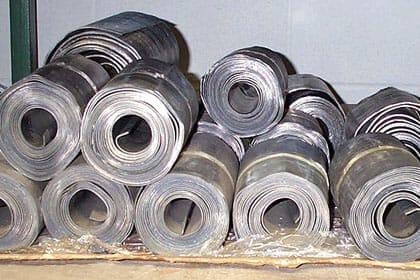
Nuclead Manufacturing Co Inc provides lead products, metal fabrication, and specialized material solutions for construction and industrial applications. When it comes to protecting buildings from water infiltration, selecting suitable roofing materials is essential. Chimney flashing is an important component of a roofing system because it helps prevent water from entering the gaps between a chimney and the surrounding roof. Lead metal is widely used for this purpose because of its flexibility, durability, and ability to be shaped around different roof structures.
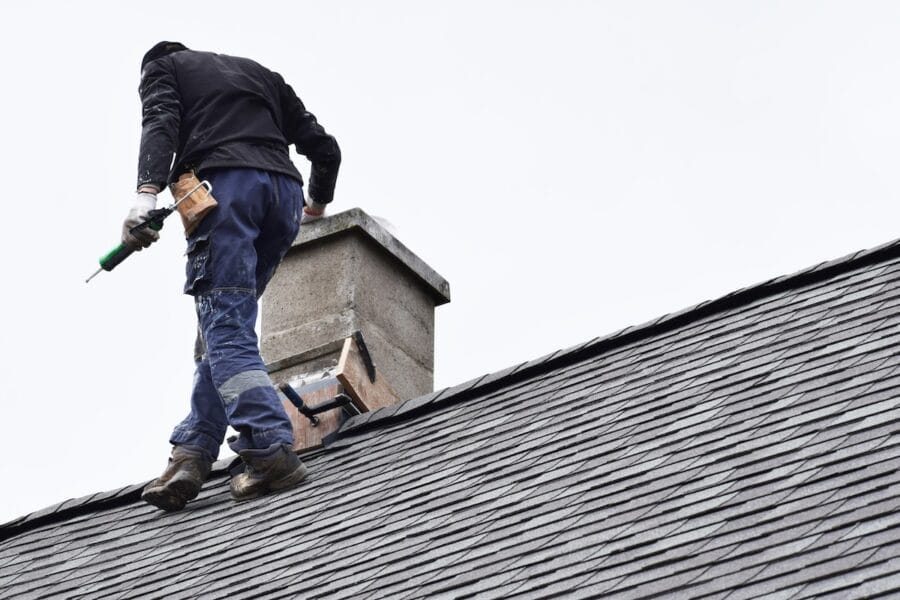
Nuclead Manufacturing Co Inc offers lead flashing products for roofing applications, including chimney flashing, roof flashing, and counter flashing. The company also provides custom lead flashing rolls in different widths and thicknesses to accommodate project-specific requirements. Its product range supports contractors, roofing professionals, construction suppliers, and other customers looking for suitable lead materials.
Choosing the right chimney flashing material can help improve weather protection and support the long-term performance of a roof. Understanding the characteristics of lead metal, the different flashing components, and the importance of correct installation can help property owners and professionals make informed decisions.
1. Understanding Chimney Flashing and Its Importance
Chimney flashing is a protective material installed where a chimney meets the roof. This junction can be vulnerable to water penetration because the chimney and roofing materials meet at different angles and may move independently as temperatures change.
Why Is Chimney Flashing Necessary?
-
Prevents Water Infiltration
-
Chimney flashing helps direct rainwater away from the joint between the chimney and the roof.
-
Properly installed flashing reduces the risk of water entering the roof structure.
-
It helps protect surrounding roofing materials from moisture-related damage.
-
-
Protects Roof Structures
-
Water entering a roof junction can damage roof decking, insulation, and nearby building materials.
-
Effective flashing helps reduce the likelihood of moisture accumulating around vulnerable areas.
-
Regular inspections can help identify damaged or deteriorating flashing before the problem becomes more extensive.
-
-
Accommodates Building Movement
-
Chimneys and roofs can experience different amounts of movement because of temperature changes and structural conditions.
-
Flexible flashing materials can accommodate certain movements when properly designed and installed.
-
This flexibility helps maintain protection at important roof intersections.
-
-
Supports Long-Term Roof Performance
-
Suitable flashing materials can provide durable protection when correctly installed and maintained.
-
Promptly addressing damaged flashing can help prevent avoidable roofing problems.
-
Proper material selection and installation are important for dependable performance.
-
2. Why Lead Metal Is Used for Chimney Flashing
Lead metal has a long history of use in roofing and construction because it combines flexibility with useful weather-resistant properties. Its malleability makes it suitable for applications where a metal sheet must be shaped around corners, roof slopes, masonry surfaces, and other irregular features.
Key Characteristics of Lead Metal
-
Excellent Flexibility
-
Lead can be shaped to fit different roof profiles and chimney dimensions.
-
Its malleability makes it useful for forming flashing around corners and changes in direction.
-
This feature supports the creation of close-fitting roof junctions.
-
-
Adaptability to Building Movement
-
Lead flashing can accommodate certain movements between adjoining building components.
-
Its ability to deform helps it adapt to changes in roof and chimney geometry.
-
Proper detailing remains necessary to prevent tearing, distortion, or gaps.
-
-
Weather Resistance
-
Lead is commonly used in roofing applications because it can withstand exposure to outdoor conditions.
-
Correctly installed lead flashing helps manage rainwater at vulnerable roof intersections.
-
Its service life depends on installation quality, environmental conditions, material thickness, and maintenance.
-
-
Versatile Fabrication
-
Lead sheet can be cut and formed to suit different construction requirements.
-
Custom widths and thicknesses allow contractors to select materials for particular applications.
-
This versatility is useful for standard roofing work as well as projects involving unusual roof dimensions.
-
-
Suitability for Different Roofing Designs
-
Lead flashing can be used around chimneys, roof joints, valleys, and roof penetrations.
-
It can support both traditional masonry buildings and other compatible roofing designs.
-
The final selection should consider the roof covering, surrounding materials, and applicable building requirements.
-
3. Types of Chimney Flashing Used in Roofing
A chimney flashing system commonly includes several components that work together to direct water away from the roof-to-chimney junction. The precise arrangement depends on the chimney construction, roof design, and roofing material.
1. Step Flashing
-
Step flashing consists of individual pieces of flashing installed along the sloping sides of a chimney.
-
Each section is arranged to work with the adjoining roofing courses.
-
This arrangement helps direct water down the roof instead of allowing it to enter the joint.
-
Correct overlapping and integration with the roof covering are essential for effective drainage.
2. Counter Flashing
-
Counter flashing covers the upper edge of the underlying flashing where it meets the chimney.
-
It helps protect the junction between the chimney masonry and the flashing system.
-
It is commonly folded or fitted into the masonry joint or another suitable detail, depending on the construction.
-
Proper integration helps reduce the chance of water passing behind the flashing.
3. Front or Apron Flashing
-
Front flashing protects the lower side of the chimney where it meets the roof.
-
It helps guide rainwater away from the chimney base.
-
The shape and dimensions depend on the chimney width and roof slope.
-
Correct placement is important for directing water onto the roof covering.
4. Back-Pan or Cricket Flashing
-
A chimney located across the path of water flowing down a roof may require a specially designed back-pan or cricket.
-
A cricket is a raised, sloping structure designed to divert water around the uphill side of a chimney.
-
It can be particularly useful where the chimney is wide or water could collect behind it.
-
The appropriate design depends on roof geometry and applicable construction requirements.
5. Roof Penetration Flashing
-
Other roof penetrations, such as pipes and vents, also require carefully designed flashing.
-
Lead flashing products may be used for compatible applications where their specifications meet project requirements.
-
The shape, dimensions, and installation method must match the penetration and roofing system.
Nuclead lists chimney flashing, counter flashing, roof flashing, and related lead roofing materials among its product offerings. Source: Nuclead
4. Nuclead Manufacturing Co Inc and Lead Flashing Products
Selecting an appropriate supplier is an important part of planning a roofing project. Contractors and distributors need materials that suit the dimensions, design, and intended use of the installation.
Nuclead Manufacturing Co Inc offers lead roofing materials for customers requiring standard or custom flashing products.
Important Product Features
-
Standard Lead Flashing Sizes
-
Common sizes of lead roof flashing and chimney flashing are listed as available from stock.
-
Stock availability can help customers obtain commonly used materials without waiting for a custom manufacturing process.
-
Actual availability should be confirmed when requesting a quotation.
-
-
Custom Lead Flashing Rolls
-
Custom rolls can be manufactured in different widths and thicknesses.
-
This option can help accommodate unusual chimney dimensions or specific roofing details.
-
Customers should provide their required measurements and intended application when requesting a quote.
-
-
Flexible Material Options
-
Lead flashing can be shaped to match a range of compatible roof profiles.
-
Different specifications can be considered according to project requirements.
-
The appropriate thickness should be selected based on the application and relevant technical guidance.
-
-
Construction Applications
-
Lead flashing is used at roof joints, valleys, chimney intersections, and other vulnerable locations.
-
It can support roofing projects involving residential, commercial, and traditional buildings.
-
Material selection should account for local building regulations and compatibility with adjoining materials.
-
-
Product Guidance
-
Customers can contact the company to discuss non-standard dimensions and special flashing requirements.
-
Providing drawings, measurements, and application details can help clarify the required product.
-
Delivery schedules and current stock levels should be verified directly with the supplier.
-
5. Lead Metal Applications Beyond Chimney Flashing
Although lead metal is well known for its use in roofing, it also serves various construction and industrial purposes. Its properties make it suitable for applications requiring specialized sheet materials, fabricated components, or shielding products.
Common Applications
-
Roof Flashing
-
Used at roof intersections, joints, and edges.
-
Helps protect vulnerable points where water could enter the building.
-
Can be shaped to suit compatible roof designs.
-
-
Valley Flashing
-
Used where two sloping roof surfaces meet.
-
Helps channel rainwater toward the roof drainage system.
-
Requires suitable dimensions and correct installation.
-
-
Lead Sheet Products
-
Used in construction applications where lead sheet is an appropriate material.
-
Can be cut or fabricated to meet specific dimensional requirements.
-
Must be handled and installed in accordance with relevant safety guidance.
-
-
Radiation Shielding
-
Lead is used in suitable shielding systems for medical, research, and industrial environments.
-
Product thickness and configuration depend on the type and level of radiation involved.
-
Shielding design should be performed by qualified professionals using applicable standards.
-
-
Custom Fabricated Lead Components
-
Lead can be fabricated into specialized shapes and assemblies.
-
Custom manufacturing can support applications that require specific dimensions or configurations.
-
Technical drawings and material specifications help define the finished product.
-
Nuclead’s wider product range includes lead sheet, lead fabrication, custom lead products, radiation shielding, and other specialized metal solutions.
6. Factors to Consider When Choosing Chimney Flashing
Selecting flashing requires attention to more than the material alone. The roof design, chimney construction, weather exposure, and installation details all influence performance.
Important Selection Factors
-
Roof Type
-
Identify whether the roof uses shingles, slate, tiles, metal, or another covering.
-
Confirm that the flashing design is compatible with the roofing material.
-
Consider the roof slope and how water drains around the chimney.
-
-
Chimney Dimensions
-
Measure the chimney width, depth, and height above the roof.
-
Identify corners, joints, and areas that may require custom-shaped flashing.
-
Consider whether the chimney’s uphill side needs a back-pan or cricket.
-
-
Material Thickness
-
Choose a thickness appropriate for the intended use and installation method.
-
Consider durability, flexibility, and the requirements of the roof design.
-
Consult applicable technical specifications rather than selecting thickness by appearance alone.
-
-
Compatibility With Other Materials
-
Check compatibility between the flashing, roofing, fasteners, sealants, and adjoining construction materials.
-
Avoid combinations that could create corrosion or other material-related problems.
-
Follow manufacturer recommendations and applicable building codes.
-
-
Installation Requirements
-
Ensure that the flashing system is designed to manage water at every vulnerable junction.
-
Use qualified roofing professionals for complex installations.
-
Verify that overlapping sections and masonry connections are properly detailed.
-
7. Installation and Maintenance of Lead Chimney Flashing
Even a suitable material can fail when installed incorrectly. Proper detailing and periodic inspection are essential to maintain effective water protection.
Recommended Practices
-
Inspect the Existing Roof
-
Check for visible gaps, cracks, loose sections, and signs of water entry.
-
Examine the flashing around the chimney and nearby roof covering.
-
Investigate stains or dampness that could indicate a leak.
-
-
Install Flashing Correctly
-
Ensure that step flashing, apron flashing, and counter flashing work together as a complete system.
-
Follow the roof design and applicable installation guidance.
-
Avoid relying solely on exposed sealant as a substitute for correctly detailed flashing.
-
-
Allow for Appropriate Movement
-
Roofs and chimneys can expand, contract, or settle differently.
-
Flashing details should accommodate expected movement without creating openings.
-
Avoid installation methods that unnecessarily restrain the material.
-
-
Perform Periodic Maintenance
-
Inspect flashing after severe weather when safe and practical.
-
Address damage, separation, and corrosion affecting adjoining materials.
-
Seek professional advice when the source of a leak is uncertain.
-
-
Use Safe Handling Procedures
-
Lead is toxic, and exposure can occur through contaminated dust, particles, or residues.
-
Workers should follow applicable occupational safety requirements, use suitable protective equipment, and maintain good hygiene.
-
Cutting, grinding, heating, or removing lead requires appropriate controls and careful waste management.
-
8. Why Consider Nuclead Manufacturing Co Inc for Lead Metal Requirements?
For construction professionals seeking chimney flashing or other lead products, a supplier’s product range, fabrication options, and ability to address technical requirements are important considerations.
Nuclead Manufacturing Co Inc offers several relevant capabilities:
-
Lead Roofing Materials: Products include lead chimney flashing, roof flashing, and counter flashing.
-
Custom Dimensions: Custom roll widths and thicknesses can accommodate specific project requirements.
-
Broader Lead Product Range: The company lists lead sheet, lead fabrication, and specialized lead products for other applications.
-
Manufacturing Experience: Nuclead describes its work across construction, industrial, and shielding markets.
-
Quotation Support: Customers can contact the company to discuss dimensions, product specifications, availability, and pricing.
Customers should confirm the precise product specification, stock status, delivery arrangements, and suitability for their project before placing an order.
Conclusion
Chimney flashing is a critical part of roof protection because it helps prevent water from entering the joint between a chimney and the surrounding roof. Lead metal is a useful flashing material because it is malleable, adaptable, and suitable for many roofing applications when correctly specified and installed.
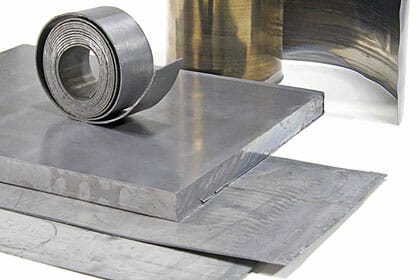
Nuclead Manufacturing Co Inc offers lead chimney flashing, roof flashing, counter flashing, and custom lead flashing rolls to support different construction requirements. Whether a project involves routine roofing work, a complex chimney junction, or a specialized flashing dimension, choosing the right material and installation design is essential for dependable performance.
By considering roof type, chimney measurements, material thickness, compatibility, and maintenance needs, contractors and property owners can make informed decisions about their flashing requirements. For more visit us!

 English
 Arabic
 French
 Spanish
 Portuguese
 Deutsch
 Turkish
 Dutch
Dutch
 Russian
 Romaian
 Portuguese (Brazil)
 Greek
Greek