


Custom Woven Stickers Patches | A Complete Guide to Uses, Materials, and Customization
Custom Woven Stickers Patches | A Complete Guide to Uses, Materials, and Customization
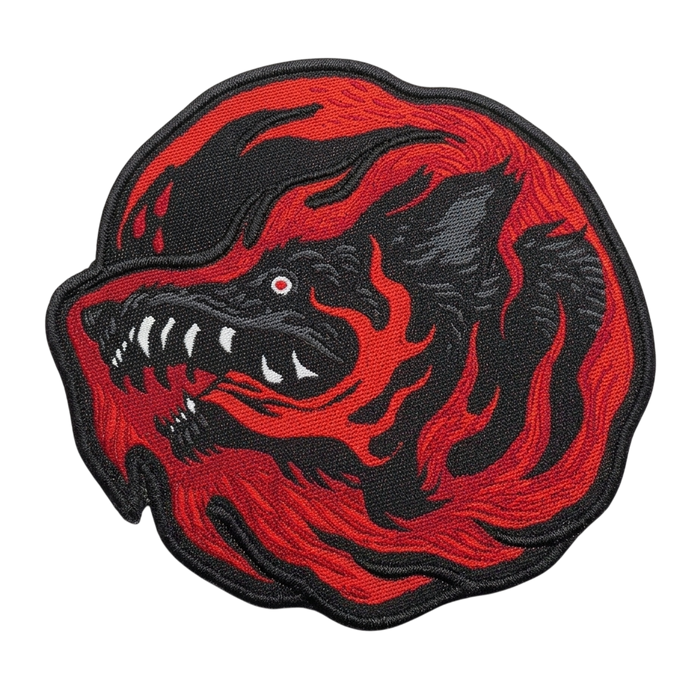
Custom Woven Stickers Patches offer a creative way to personalize clothing, accessories, bags, and promotional products with detailed designs and logos. Combining the clean appearance of woven fabric with sticker-style convenience, these products can be useful for fashion brands, businesses, creative projects, and anyone looking for a distinctive way to display artwork.
Whether you want custom logo patches for a clothing line, decorative fabric labels for accessories, or patches with an easy-to-apply backing, understanding the available materials, attachment options, and design possibilities can help you choose the right product.
What Are Custom Woven Stickers Patches?
Custom woven stickers patches are customized fabric patches featuring woven designs and, depending on the product, an adhesive backing intended for application to suitable surfaces.
Woven patches are made by interlacing threads to form a logo, lettering, symbol, or graphic. This process creates a relatively flat surface that can reproduce fine lines and small text more clearly than some raised embroidery designs.
The term “sticker patch” can describe different products, however. Some woven patches have a pressure-sensitive adhesive backing, while others use heat-activated adhesive or require sewing. These attachment methods are not interchangeable, so it is important to check the product specifications before ordering.
If you want a fabric patch that can be applied without sewing, confirm that the product is specifically designed for adhesive application.
Why Choose Custom Woven Stickers Patches?
Custom woven sticker patches offer several advantages when you want a detailed design in a compact, versatile format.
1. Detailed Designs and Clear Lettering
Woven construction can reproduce fine lines, compact lettering, and intricate logos. This makes woven patches a practical option for clothing labels, brand marks, symbols, and other designs that require a neat finish.
For the best result, use clear artwork with enough contrast between the design and background.
2. Convenient Application Options
Some sticker-style patches are designed for quick application without stitching. This can make them useful for certain accessories, promotional products, and temporary decoration projects.
Adhesion depends on the backing and the surface. Always confirm whether the product is suitable for the material you intend to decorate.
3. Custom Branding
Businesses and clothing brands can use custom woven patches to display logos, names, and symbols on products or packaging. A consistent design can help create a recognizable visual identity across different items.
4. A Clean, Fabric-Based Appearance
Unlike ordinary paper or plastic stickers, woven patches have a textile surface. This can give a design a more fabric-focused appearance that suits fashion accessories, bags, and compatible garments.
5. Flexible Design Possibilities
Custom woven patches can be produced in different shapes, colors, dimensions, and finishes, depending on the supplier. This makes it possible to create designs for personal use, retail products, events, or business branding.
Common Uses for Custom Woven Stickers Patches
Custom woven sticker patches can suit a variety of applications, provided the adhesive and materials are compatible with the intended surface.
Clothing and Fashion Accessories
Woven patches can add decorative details to jackets, denim, shirts, hats, and other fabric accessories. They are particularly useful for designs featuring logos, initials, symbols, or compact lettering.
For garments that are washed regularly, verify whether the patch is washable and whether the adhesive is designed to withstand repeated laundering. A sew-on patch may be more appropriate for long-term clothing use.
Bags and Backpacks
Custom patches can personalize backpacks, tote bags, travel accessories, and fabric pouches. A logo or graphic patch can help distinguish an item or complement its overall design.
Before applying an adhesive-backed patch, check the bag's surface texture and coating. Rough, flexible, or water-resistant materials may not provide a suitable bonding surface for every adhesive.
Clothing Brands and Streetwear
Fashion labels can use woven patches to create branded details on garments and accessories. Small rectangular labels, shaped logo patches, and bold graphic designs can all contribute to a distinctive product identity.
If the patch is intended to become a permanent feature of a garment, choose a construction and attachment method suited to the fabric and expected wear.
Promotional Products
Businesses can use custom woven patches for event merchandise, branded accessories, giveaways, and selected promotional products.
When ordering in bulk, keep the artwork, dimensions, colors, and finishing consistent to maintain a unified appearance across the production run.
Crafts and DIY Projects
Crafters may use custom patches to decorate suitable fabric organizers, pencil cases, fabric-covered notebooks, and other creative projects.
For non-fabric surfaces, confirm that the adhesive is compatible with the material. Some sticker-style patches may work on smooth surfaces, while others are designed specifically for textiles.
Custom Woven Stickers Patches vs. Regular Stickers
Although the terms can overlap in product listings, woven patches and conventional stickers have different constructions.
| Feature | Woven Sticker Patches | Regular Stickers |
|---|---|---|
| Main material | Woven textile | Paper, vinyl, or another sticker material |
| Surface | Textured or fabric-like | Usually smooth |
| Design production | Artwork formed using interlaced threads | Artwork printed onto a sticker material |
| Appearance | Textile-based and often more substantial | Flat and printed |
| Typical applications | Compatible clothing, accessories, and craft projects | Packaging, notebooks, devices, and smooth surfaces |
| Attachment | Depends on the backing; may be adhesive, heat-applied, or sewn | Usually pressure-sensitive adhesive |
| Washing suitability | Depends on materials and attachment method | Not generally intended for ordinary garment washing |
The best choice depends on the appearance you want and where the product will be used. A regular sticker may be better for smooth surfaces, while a woven patch offers a fabric-based finish.
Custom Woven Stickers Patches vs. Embroidered Patches
Woven and embroidered patches are both used for clothing and accessories, but they differ in construction and texture.
| Feature | Woven Patches | Embroidered Patches |
|---|---|---|
| Construction | Threads interlaced to form the design | Stitches applied over a fabric base |
| Surface | Generally flat and smooth | Often raised and textured |
| Fine details | Well suited to compact text and thin lines | Detail depends on stitch size and artwork |
| Appearance | Clean and precise | Bold and dimensional |
| Best suited for | Detailed logos and small lettering | Textured emblems and traditional designs |
Woven patches are worth considering when fine detail and a relatively flat surface are priorities. Embroidered patches may be preferable when you want a raised, textured look.
Remember that attachment method is a separate consideration. A woven patch is not automatically adhesive-backed, and an embroidered patch may also be available with different backing options.
How to Design Custom Woven Stickers Patches
A well-designed patch should look clear at its final size and suit the surface where it will be applied.
Step 1: Prepare Your Artwork
Start with a high-quality version of your logo, illustration, or lettering. Vector artwork is often helpful because it can be resized without losing the sharpness of its outlines.
If your artwork is blurry or pixelated, ask the supplier whether it needs to be redrawn before production.
Step 2: Simplify Small Details
Tiny text, narrow lines, and tightly packed shapes can become difficult to reproduce on a small patch. Simplify unnecessary elements while keeping the main design recognizable.
If your logo includes a slogan, check whether the text will remain readable at the selected dimensions.
Step 3: Select Colors Carefully
Choose colors that match your branding or personal style. Strong contrast between the foreground and background can help the design remain visible.
Thread colors may differ slightly from colors displayed on a computer or phone screen. If precise color matching matters, ask the supplier about available thread shades and sample options.
Step 4: Choose the Shape
Common shapes include:
-
Rectangular patches
-
Square patches
-
Circular patches
-
Oval patches
-
Shield-shaped patches
-
Custom outlines based on a logo or illustration
Select a shape that complements the artwork and fits the intended application area.
Step 5: Confirm the Dimensions
Measure the available space on the garment, bag, or accessory. A compact patch may suit a cap or small pocket, while a wider design may work better on a backpack or jacket panel.
Check the final measurements rather than estimating size from a product photograph.
Step 6: Choose the Backing
Decide whether you need pressure-sensitive adhesive, heat-activated adhesive, sew-on construction, or another attachment method offered by the supplier.
If you specifically want a sticker-style product, confirm that it does not require sewing or heat application unless those methods are acceptable for your project.
Step 7: Review the Proof
Before approving production, check the spelling, artwork, colors, shape, dimensions, and backing. A digital proof can help identify layout issues, although it may not perfectly represent the texture or final color of the finished patch.
Understanding Adhesive Options for Woven Sticker Patches
The backing is one of the most important features to consider when selecting custom woven sticker patches.
Pressure-Sensitive Adhesive
Pressure-sensitive adhesive sticks when pressure is applied to the patch. Depending on the product, it may be intended for smooth surfaces or particular fabric applications.
This option can be convenient when sewing or heat application is not practical. However, adhesion may weaken on dusty, oily, rough, flexible, or textured surfaces.
Heat-Activated Adhesive
Heat-activated backing bonds when heat and pressure are applied according to the manufacturer's instructions.
Although this can work for compatible textiles, it should not be confused with a peel-and-stick product. Check the garment's care label and the supplier's application guidance before using heat.
Sew-On Backing
A sew-on patch is attached with thread rather than adhesive. It can be a suitable option for garments and accessories that experience frequent use or washing.
If long-term durability is the priority, a sew-on patch may be more appropriate than a sticker-style backing.
Hook-and-Loop Backing
Some custom patches use hook-and-loop fastening to make them removable and replaceable. This option requires a compatible fastening surface and is commonly used where patches need to be changed without permanently attaching them.
Not every woven patch supplier offers this option, so confirm availability before ordering.
How to Apply Custom Woven Stickers Patches
The application process depends on the backing and the surface material. Always follow the product instructions.
-
Clean the surface. Remove dust, dirt, and oils that could interfere with adhesion. Allow the surface to dry completely.
-
Test the placement. Position the patch before removing the adhesive liner or applying heat.
-
Check compatibility. Make sure the surface material is suitable for the selected backing.
-
Apply according to instructions. For pressure-sensitive adhesive, press the patch firmly onto the surface. For heat-activated backing, follow the specified temperature, pressure, and timing.
-
Allow the bond to set. If the manufacturer specifies a waiting period before handling, washing, or using the item, follow that guidance.
-
Inspect the edges. Check for lifting or incomplete adhesion before regular use.
Avoid assuming that an adhesive-backed woven patch is suitable for every fabric. Some coatings, elastic materials, and textured surfaces can make bonding difficult.
How Durable Are Custom Woven Stickers Patches?
Durability depends on the patch construction, adhesive, surface material, application process, and conditions of use.
A patch applied to a clean, smooth, compatible surface may remain attached well under normal conditions. A patch placed on a rough fabric, flexible garment, or frequently washed item may experience more stress.
To improve performance:
-
Choose a backing designed for the intended surface.
-
Follow all application instructions.
-
Avoid stretching the patch area immediately after application.
-
Keep adhesive surfaces clean before attaching the patch.
-
Check the edges periodically for lifting.
-
Confirm washability before applying the patch to clothing that needs regular laundering.
For workwear, sportswear, or clothing exposed to repeated washing, consider a sew-on construction or another method specifically designed for durable textile use.
How Much Do Custom Woven Stickers Patches Cost?
The cost of custom woven sticker patches depends on the supplier and the specifications of your order.
Common pricing factors include:
-
Quantity: Larger orders may reduce the unit cost, depending on the supplier.
-
Patch dimensions: Larger designs may require more materials and production resources.
-
Design complexity: Fine details and multiple colors can affect production requirements.
-
Backing type: Different adhesive or fastening options may have different costs.
-
Shape and finishing: Custom outlines and special finishes can influence pricing.
-
Sampling and setup: Some suppliers charge separately for samples or production preparation.
-
Shipping and turnaround: Delivery location and requested production time may affect the total price.
For a useful comparison, request quotes using the same artwork, dimensions, quantity, backing, and delivery requirements.
How to Order Custom Woven Stickers Patches
Before placing an order, prepare a clear specification so your supplier understands exactly what you need.
Prepare Your Design File
Provide the highest-quality artwork available and identify any details that must remain unchanged. Include brand colors, text, and design elements that are important to the finished product.
Confirm the Intended Surface
Tell the supplier whether the patch will be applied to clothing, bags, packaging, or another material. This helps determine whether an adhesive backing is suitable.
Specify the Patch Details
Confirm the following information:
-
Final patch dimensions
-
Shape and border style
-
Artwork and color requirements
-
Woven construction
-
Adhesive or attachment method
-
Intended application surface
-
Quantity required
-
Sample availability
-
Production and shipping estimates
Request a Sample When Necessary
For a large order or a project with strict quality requirements, a sample can help you assess the design, texture, dimensions, and backing before committing to full production.
Ask whether the sample uses the same materials and attachment method as the final order.
Common Mistakes to Avoid
A few simple checks can help prevent problems with custom woven sticker patches.
Assuming Every Woven Patch Is a Sticker: Woven describes the construction, not the backing. Confirm that the product includes the adhesive you need.
Using the Wrong Adhesive: A backing designed for a smooth surface may not bond reliably to rough fabric or flexible materials.
Choosing a Design With Tiny Text: Small lettering may become difficult to read. Simplify the design where necessary.
Ignoring Application Instructions: Incorrect heat, pressure, or surface preparation can reduce adhesion or damage the item.
Skipping Measurements: A patch may not fit the intended area if you rely only on product photographs.
Overlooking Washing Requirements: Not all adhesive patches can withstand laundering. Verify suitability before using them on frequently washed clothing.
Frequently Asked Questions About Custom Woven Stickers Patches
What are custom woven stickers patches?
They are customized fabric patches made with woven artwork and, depending on the product, an adhesive backing for application to suitable surfaces. The exact construction and backing vary by supplier.
Are woven sticker patches the same as regular stickers?
No. Woven patches have a textile-based construction, while regular stickers are generally made from printed paper, vinyl, or similar materials. Their appearance, attachment methods, and suitable applications differ.
Do custom woven patches come with adhesive backing?
Some do, but not all. Woven describes how the design is constructed. Always confirm whether the product is pressure-sensitive, heat-activated, sew-on, or made with another backing.
Can woven sticker patches be used on clothing?
Some products are designed for compatible fabrics, but not every adhesive backing is suitable for garments. If the item will be washed regularly, check the product's washability or consider a sew-on alternative.
Can I use woven sticker patches on backpacks?
They may work on compatible backpack surfaces. Check the material, coating, texture, and adhesive specifications before application.
Are custom woven sticker patches waterproof?
Water resistance depends on the textile, adhesive, and product construction. Do not assume that a woven patch is waterproof or suitable for prolonged outdoor exposure unless the manufacturer confirms it.
Can I remove an adhesive woven patch?
Removal depends on the adhesive and the surface. Some adhesives may leave residue or damage delicate fabrics, coatings, or finishes. Follow the manufacturer's removal instructions and test an inconspicuous area when possible.
What artwork file is best for custom woven patches?
Vector artwork is often helpful because it preserves clean outlines when resized. Ask the supplier which file formats they accept and whether the artwork needs adjustments.
Conclusion
Custom Woven Stickers Patches combine the detailed appearance of woven fabric with a range of possible attachment options for clothing, accessories, bags, and creative projects. They can be useful for branding, personalization, promotional merchandise, and DIY decoration when the construction and backing match the intended application.
Before ordering, confirm the patch material, dimensions, adhesive type, surface compatibility, and care requirements. Choosing the right design and attachment method will help you get a product that looks good and performs as expected.

 English
 French
 Spanish
 Portuguese
 Deutsch
 Turkish
 Dutch
Dutch
 Italiano
 Russian
 Romaian
 Portuguese (Brazil)
 Greek
Greek