


How Connector Design Supports Reliable Electrical Installation
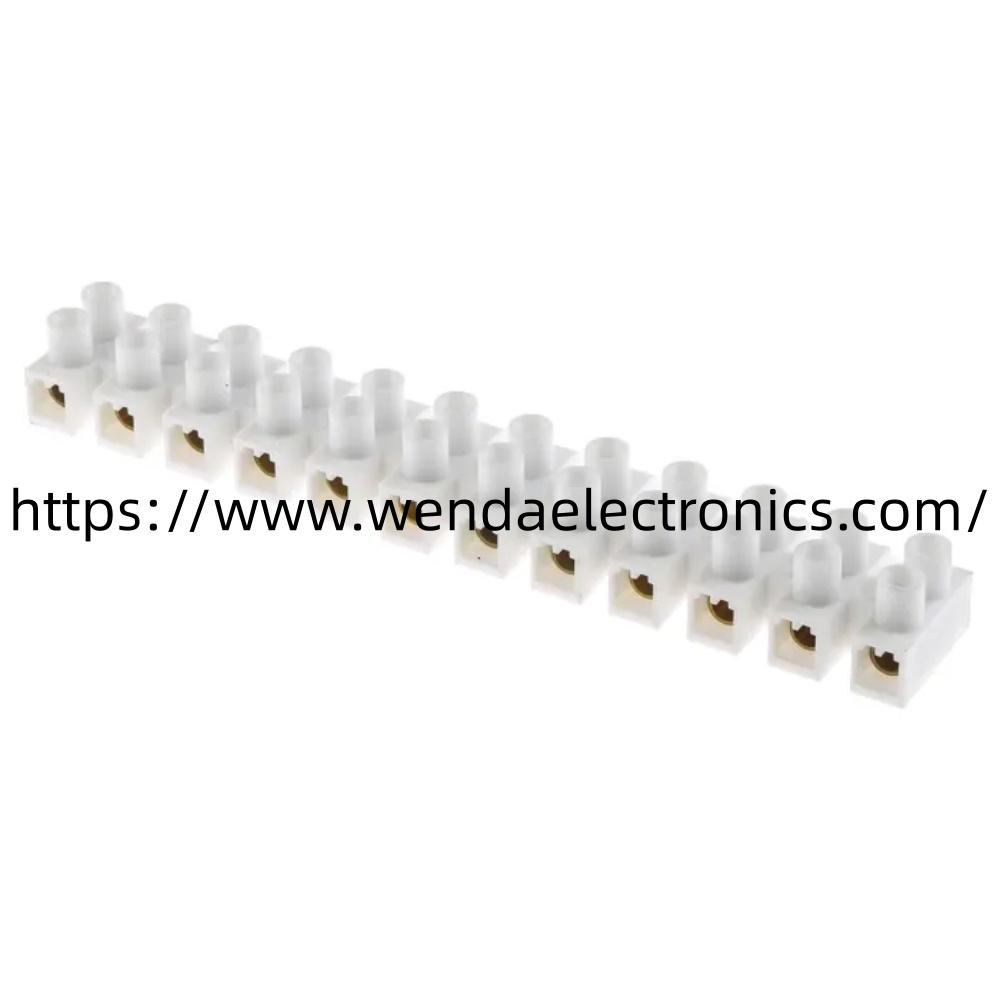
Electrical connections are found throughout household equipment, industrial machinery, control systems, and electronic products, where dependable contact between conductors is essential to overall operation. When evaluating an Electrical Straight Connector, buyers should consider how its materials, internal contact structure, insulation, installation method, and external design work together within the complete electrical assembly. A connector that suits one application may not be appropriate for another, so understanding the intended environment is an important part of product selection.
Material selection influences the connector's electrical behavior, mechanical stability, and service life. Conductive metals are commonly used for contact components because they allow current to pass between connected conductors. Copper-based materials are often considered for their conductivity and suitability for forming contact structures, while selected alloys may provide useful mechanical characteristics. The choice depends on the required contact behavior, manufacturing process, and conditions in which the connector will operate.
Surface treatment can further influence the performance of conductive contacts. Depending on the design, plating or other finishing processes may help manage oxidation, contact consistency, and resistance to environmental effects. However, a surface finish should be evaluated as part of the complete contact system rather than as an isolated feature. The base material, contact geometry, assembly method, and expected operating conditions all influence the finished component.
Insulating materials serve a different but equally important purpose. Connector housings may use suitable engineering plastics or other insulating materials to separate conductive elements and support the internal structure. Material selection should take account of heat exposure, environmental conditions, mechanical stress, and compatibility with the intended installation. A well-designed housing can also help position contacts correctly and protect connection areas during normal handling.
A practical purchasing process begins with identifying the connector's role. Buyers should establish what types of wires or cables will be connected, how the component will be installed, and whether it will be used inside equipment, within a control cabinet, or in another environment. Reviewing the surrounding components and available installation space can help prevent compatibility problems. Clear drawings, samples, and application descriptions also make communication with suppliers more effective.
Connection methods deserve particular attention because they influence installation convenience and the stability of the finished assembly. Depending on the connector design, conductors may be secured through screw terminals, crimping, soldering, or other suitable joining methods. Each approach has different requirements for preparation, tools, assembly technique, and inspection. Buyers should choose a connection method that matches the conductor, the installation process, and the skills of the people responsible for assembly.
The connector's physical structure also affects how it fits into an electrical system. A straight configuration can support installations where conductors need to follow a direct path between connection points. The housing shape, contact arrangement, and cable entry direction should correspond with the surrounding equipment. Considering the complete cable route can help reduce awkward bends, unnecessary strain, and interference with neighboring components.
Manufacturing technology helps translate the design into a consistent finished product. Production may involve metal forming, contact stamping, machining, plating, plastic molding, assembly, and inspection, depending on the connector construction. Each process contributes to the quality of the final component. Accurate contact formation supports proper mating, while consistent housing production helps maintain the intended relationship between conductive and insulating parts.
Quality management should cover both individual components and the assembled connector. Manufacturers may examine material condition, contact surfaces, housing integrity, dimensional consistency, assembly quality, and connection retention. Electrical testing and other verification procedures should reflect the product's intended use and applicable requirements. For buyers, understanding how a supplier evaluates its products can provide useful insight into production consistency without relying solely on appearance or product descriptions.
User experience is closely connected to installation and maintenance. A connector should be understandable to the person fitting it, with a structure that allows practical access to the relevant connection points. Clear contact positioning and a housing that is easy to handle can simplify assembly. Where connectors are used in equipment that requires servicing, accessibility can also influence how easily technicians inspect connections or replace components.
Durability depends on more than the strength of the outer housing. Repeated handling, vibration, environmental exposure, and cable movement may affect different parts of a connection in different ways. Strain relief, secure conductor retention, and suitable housing support can help address these concerns when they are incorporated into the design. Installation instructions and appropriate inspection practices also contribute to the long-term reliability of the complete electrical system.
Design and appearance remain relevant in professional electrical products. A clean housing shape, organized contact layout, and consistent surface finish can make components easier to identify and integrate into equipment. Color choices may help distinguish product families or support installation organization where appropriate. Good visual design should reinforce practical use rather than introduce unnecessary complexity or obscure important connection features.
Customization can help manufacturers respond to different equipment layouts and product development needs. Depending on production capabilities, projects may involve adjustments to housing structure, conductor entry, contact arrangement, mounting features, materials, or external appearance. Such changes should be evaluated alongside manufacturability, installation requirements, and relevant safety considerations. Early collaboration between the buyer and supplier can help align the design with the intended application.
Zhejiang Wenda Electronics Co., Ltd. works in the electrical connector field, where material selection, component construction, manufacturing consistency, and application compatibility are important considerations. For businesses sourcing connector products, discussing the intended installation, conductor type, operating environment, and assembly process with a supplier can help establish a clearer basis for product evaluation. Further information about Zhejiang Wenda Electronics Co., Ltd. and its products is available at https://www.wendaelectronics.com

 English
 Arabic
 French
 Spanish
 Portuguese
 Deutsch
 Turkish
 Dutch
Dutch
 Italiano
 Russian
 Portuguese (Brazil)
 Greek
Greek