


A Practical Guide to Choosing Chocolate Tempering Machinery
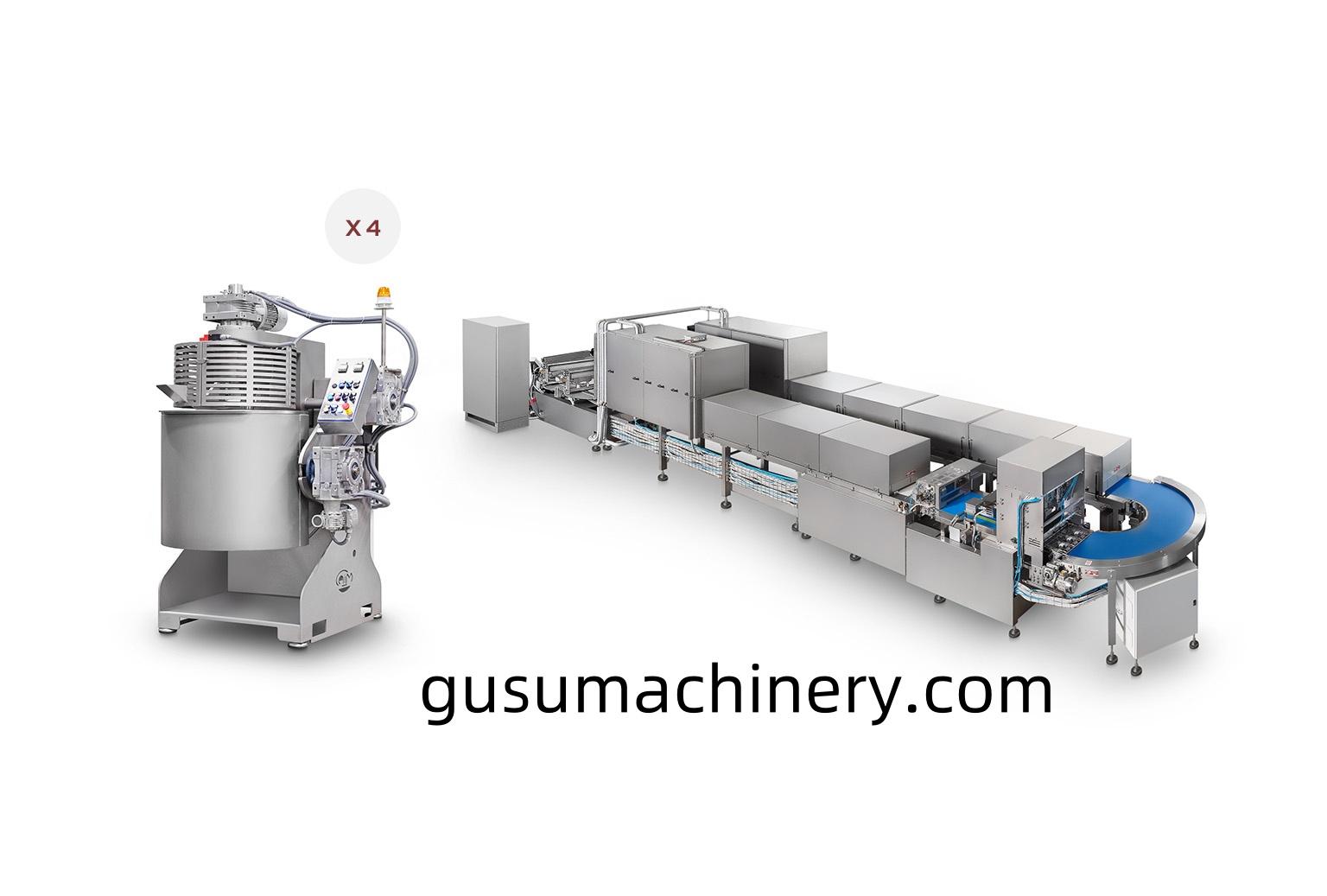
Chocolate products depend on more than the ingredients used in their recipes; the way chocolate is prepared before molding, dipping, or coating also influences the finished result. When evaluating a Chocolate Tempering Machine, manufacturers should consider how material selection, heating and cooling control, mixing, ingredient movement, and operator access work together. Equipment that supports a well-managed tempering process can help production teams prepare chocolate for different applications while fitting their established manufacturing routines.
Material selection is an important starting point for chocolate processing equipment. Product-contact surfaces are commonly made from stainless steel because it is durable and can be cleaned using appropriate procedures. Other materials may be used for seals, scrapers, handles, and supporting components, depending on their function. Buyers should confirm that these materials suit food processing and the cleaning products used in their facilities. Material suitability should be assessed across the complete working system, including areas that may not be visible during a quick inspection.
Surface design also influences hygiene and maintenance. Chocolate can remain on mixing components, vessel walls, outlets, and connection points after processing. Smooth, accessible surfaces can make residue easier to remove, while complicated structures may require additional attention during cleaning. A practical machine design allows operators to inspect relevant areas and follow the recommended sanitation procedures without unnecessary difficulty. Buyers should ask how components are accessed, cleaned, and reassembled before selecting equipment for routine production.
Choosing tempering equipment begins with the chocolate products a manufacturer intends to make. Chocolate used for molded pieces may have different handling needs from chocolate prepared for dipping, coating, or decorative work. Formulation, ingredient consistency, and the next production stage all influence the required process. Manufacturers should explain how the chocolate will be used after tempering so equipment selection reflects the complete workflow rather than a single processing step.
Temperature management is central to tempering because cocoa butter changes its crystalline structure as chocolate is heated, cooled, and brought into a suitable working condition. A controlled process encourages the formation of stable crystals that contribute to a smooth finish, attractive gloss, and a more predictable setting behavior. The appropriate operating approach depends on the chocolate formulation and intended application, so buyers should understand how the machine manages changes in temperature throughout the process.
Mixing and circulation support the distribution of heat and the movement of chocolate through the machine. Depending on the equipment design, stirring mechanisms help maintain a consistent mixture and reduce differences between areas of the vessel. The movement should suit the chocolate's characteristics without introducing unnecessary handling problems. Manufacturers should consider how the machine maintains ingredient flow during preparation and how chocolate is delivered to the next stage of production.
Control technology can make the tempering process easier to monitor. Operators may need to follow temperature changes, adjust process settings, observe chocolate movement, and coordinate delivery to molding or coating equipment. A clear control interface can help staff understand the machine's operating state and make routine adjustments more confidently. Buyers should examine whether the controls are practical for their production teams and whether the available operating guidance supports consistent procedures.
Production planning is another important consideration. A tempering machine rarely works alone; it may connect with melting equipment, storage vessels, pumps, depositing systems, enrobing machines, or molding lines. The location of outlets, the direction of ingredient transfer, and access for cleaning can influence how smoothly the equipment integrates with surrounding machinery. Reviewing the entire chocolate handling route helps manufacturers identify possible transfer difficulties before installation.
User experience includes the tasks operators perform before, during, and after processing. Ingredient loading, process monitoring, chocolate discharge, cleaning, and routine inspection should be manageable within the available workspace. Controls should be easy to identify, while frequently used components should remain accessible. A well-organized layout can reduce unnecessary movement and help staff observe the process without obstructing other production activities.
Maintenance requirements affect the equipment's practical value over time. Mixing components, seals, outlets, and temperature-related parts may need regular inspection according to the manufacturer's guidance. Buyers should ask how wear is identified, how components are replaced, and what support is available if a problem occurs. Clear maintenance documentation can help production teams plan servicing and reduce the risk of overlooking routine care.
Design and appearance also matter in professional food production environments. A coherent frame, neatly arranged connections, accessible controls, and well-finished external surfaces can make equipment easier to understand and keep clean. The design should prioritize practical operation and sanitation while fitting the surrounding production line. Compact organization may be useful where workspace is limited, provided that maintenance and cleaning access remain appropriate.
Customization can be relevant when manufacturers work with different chocolate formulations or production methods. Equipment planning may involve the arrangement of mixing components, ingredient outlets, transfer connections, or interfaces with downstream machinery. Sharing product information and the intended production sequence with a supplier can help clarify these requirements. Early discussion also allows manufacturers to consider installation space, cleaning routines, and operator access before confirming an equipment configuration.
Gusu Food Processing Machinery Suzhou Co., Ltd. works in chocolate and confectionery processing equipment, including machinery used in chocolate preparation and production lines. Businesses evaluating tempering solutions can discuss their chocolate applications, process sequence, cleaning practices, and connections with other equipment to clarify their requirements. Further information about the company's products and processing solutions is available at https://www.gusumachinery.com/

 English
 Arabic
 French
 Spanish
 Portuguese
 Deutsch
 Turkish
 Dutch
Dutch
 Russian
 Romaian
 Portuguese (Brazil)
 Greek
Greek