


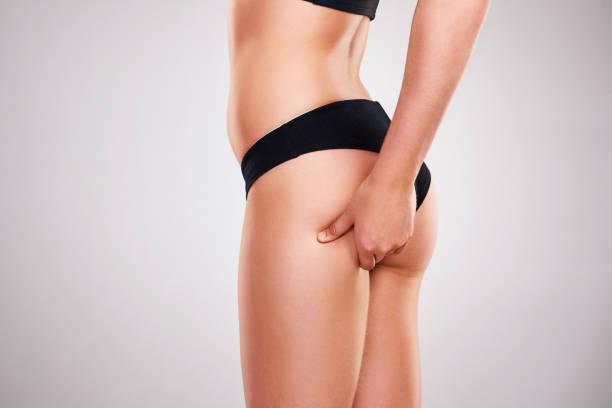
Scars on the buttocks are more common than most people realise. They can come from acne, previous surgery, injections, trauma, or even childhood accidents. Body Fillers in Riyadh Many are hidden by clothing, but they still affect confidence in intimate situations, at the beach, or simply when looking in the mirror. Body fillers are sometimes suggested as a solution, and in certain cases they genuinely help. In others, they're the wrong tool entirely. If you're considering a Body Fillers in Riyadh treatment for buttock scars, here's what you need to know before booking.
Understanding Buttock Scars
How Scars Form
Scars develop when the skin repairs itself after injury. Instead of regenerating normal tissue, the body produces collagen in a pattern that differs from surrounding skin. The result is a mark that varies in texture, colour, and elevation.
Types of Scars
Atrophic scars sit below the skin surface and appear as depressions. Hypertrophic scars are raised but stay within the original wound boundary. Keloid scars extend beyond it. Contracture scars tighten skin and can restrict movement.
Common Causes on the Buttocks
Acne, folliculitis, previous liposuction or surgery, intramuscular injections, trauma, and healed abscesses are frequent causes. Sitting pressure and friction can also influence how these areas heal.
Why Location Matters
The buttocks bear weight and constant pressure. This affects both how scars heal and how any treatment performs over time. Fillers placed in weight-bearing areas may not last as long as those in more static locations.
Can Body Fillers Help Buttock Scars?
Where Fillers Work Well
Atrophic scars, the depressed type, respond best. Filler lifts the depression so it sits level with surrounding skin, reducing the shadow that makes it visible. Soft, shallow indentations typically improve most.
Where Results Are Limited
Hypertrophic and keloid scars are raised rather than depressed. Adding volume beneath them won't help and may worsen the appearance. These need different treatments such as steroid injections or laser therapy.
Contracture Scars
Scars that tighten the skin need release procedures rather than volume. Fillers won't address the tightening itself.
Realistic Expectations
Fillers improve the appearance of specific depressions. They don't erase scars, change their colour, or restore normal skin texture. Thinking of it as softening rather than removing is more accurate.
How Fillers Work on Depressed Scars
Lifting the Depression
By injecting filler beneath the scar, the practitioner raises the skin so it sits flush with surrounding tissue. This reduces the shadow that draws attention to the scar.
Smoothing Transitions
Multiple small injections around and beneath the scar create smoother edges. Abrupt transitions between scar and normal skin are what make scars noticeable, so softening these matters.
Combining With Other Techniques
Subcision, where fibrous bands are released, is often performed alongside filler for tethered scars. Microneedling and laser can improve texture and colour. People researching butt fillers near me for scar concerns should ask whether combination treatment would serve them better.
Product Choice
Hyaluronic acid fillers are commonly used because they're reversible and predictable. Collagen stimulators may be considered for broader skin quality improvement, though results develop gradually.
What the Treatment Involves
Consultation and Scar Assessment
Your practitioner examines the scar type, depth, tethering, and surrounding skin. This determines whether filler is appropriate or whether another approach would work better.
Cleansing and Numbing
The area is cleansed thoroughly. Numbing cream or injectable anaesthetic is used, which matters since scars can be more sensitive than normal skin.
Injection
Small amounts of filler are placed beneath and around the depression using fine needles or cannulas. The session is typically brief, often under 30 minutes for a single scar.
Aftercare
Mild swelling, redness, or tenderness is common and fades within days. Avoid pressure on the area, strenuous activity, and heat for 24 to 48 hours.
Risks and Limitations Specific to This Area
Pressure and Longevity
The buttocks bear weight. Filler placed here may not last as long as in other areas because of constant pressure and movement. Maintenance sessions are often needed.
Infection Risk
Scar tissue sometimes has reduced blood supply, which can affect healing. Sterile technique and proper aftercare are essential.
Scar Sensitivity
Scars can be more tender than surrounding skin. Numbing helps, but some discomfort is possible.
Nodules and Irregularities
Scar tissue is uneven, which makes smooth filler placement more challenging. Experienced practitioners reduce this risk but can't eliminate it.
Vascular Considerations
The buttocks contain significant blood vessels. Deep injection carries serious risk, so practitioners must work carefully in superficial planes.
Not All Scars Respond
Some scars simply don't improve meaningfully with filler. An honest assessment upfront prevents disappointment.
Alternatives to Consider
Subcision
Releases fibrous bands pulling the scar downward. Often the first choice for tethered atrophic scars and frequently combined with filler.
Microneedling
Stimulates collagen and improves texture over a series of sessions. Effective for shallow scarring and overall skin quality.
Fractional Laser
Resurfaces skin and improves both texture and colour. Downtime varies with intensity.
Steroid Injections
The standard treatment for hypertrophic and keloid scars. Reduces elevation and softens the scar.
Silicone Dressings and Gel
Non-invasive options that can soften and flatten scars over months. Best for newer scars.
Surgical Revision
For severe scarring, surgical excision and re-suturing can produce a better final result than injections alone.
Questions to Ask During Consultation
About Scar Type
"Is my scar atrophic, hypertrophic, or tethered, and does that affect suitability?"
About Combination Treatment
"Would subcision or another technique work better alongside filler?"
About Longevity
"How long will results last in this specific area, given pressure and movement?"
About Limitations
"What won't improve, and what should I realistically expect?"
About Risks
"What complications are possible, and how are they managed?"
About Maintenance
"How often will I need follow-up sessions to maintain the result?"
Choosing a Qualified Practitioner
Experience With Scar Treatment
Scar revision requires different skills than routine filler placement. Ask specifically about scar experience.
Honest Assessment
A good practitioner tells you when filler isn't the right solution and explains why.
Safety Standards
Confirm credentials, sterile technique, approved products, and clear emergency protocols.
Realistic Communication
Anyone promising complete scar removal is misleading you. Softening and improvement are realistic goals.
Book an Appointment Consultation Clinic
For those seeking expert guidance and customized aesthetic care, you can book an appointment consultation at the Enfield Royal Riyadh. A personalised consultation determines whether body fillers suit your buttock scars and what results are realistic.
FAQs
Can body fillers remove buttock scars?
No. They can lift depressed scars so they appear less noticeable, but they don't erase scars or change their colour.
Which scars respond best to fillers?
Atrophic, depressed scars respond best. Raised hypertrophic and keloid scars need different treatments.
How long do results last on buttock scars?
Results may last less time than in other areas due to pressure and movement, often requiring maintenance sessions.
Is subcision better than fillers for scars?
For tethered scars, subcision releases the fibrous bands. Combining it with filler often produces better results than either alone.
What are the risks of fillers for buttock scars?
Infection, nodules, uneven results, and vascular risks exist. Scar tissue's uneven nature makes smooth placement more challenging.

 Arabic
 French
 Spanish
 Portuguese
 Deutsch
 Turkish
 Dutch
Dutch
 Italiano
 Russian
 Romaian
 Portuguese (Brazil)
 Greek
Greek