


Facial Scar Revision in Islamabad: How to Compare Surgical and Non-Surgical Options
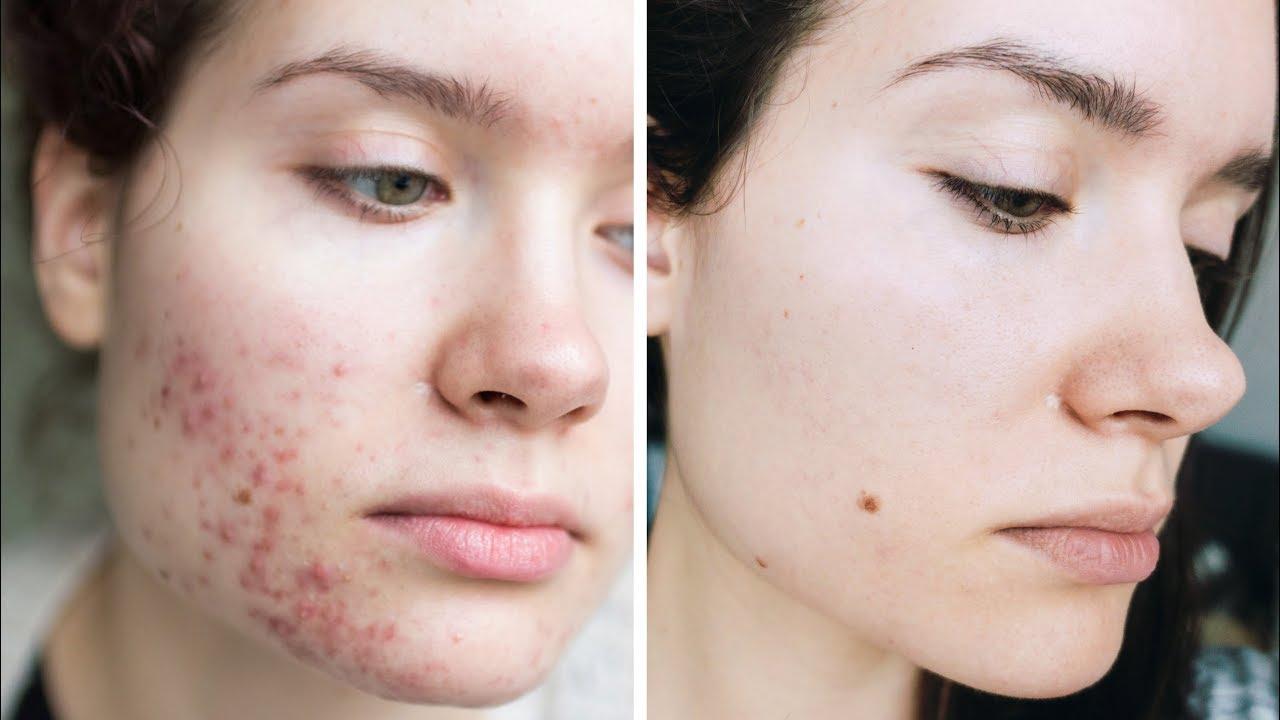
A facial scar can remain noticeable long after the original wound has healed. It might be a deep acne scar, a raised mark from an injury, or a surgical scar that looks uneven or stretched. If it affects your confidence, you may wonder whether surgery is necessary or whether a non-surgical treatment could improve its appearance.
The answer depends on the type of scar, its depth, your skin's healing history, and the result you want to achieve. When considering Facial Scar Revision in Islamabad, understanding the differences between surgical and non-surgical options can help you make a more informed decision.
Why Does the Type of Facial Scar Matter?
Not all scars develop in the same way. Some are raised above the skin, while others form depressions because tissue has been lost during healing. Certain scars are mainly noticeable because of their colour, whereas others are wide, uneven, or attached to deeper tissue.
These differences matter because a treatment that improves one type of scar may have little effect on another. For example, a treatment that reduces redness may not correct a deep depression, and resurfacing alone may not release a scar that pulls on the surrounding skin.
The first step is identifying the problem you want to improve. A qualified clinician can assess whether the main concern is texture, pigmentation, scar depth, width, or restricted movement before recommending treatment.
What Is Surgical Facial Scar Revision?
Surgical scar revision involves changing the appearance or function of an existing scar through a procedure. Depending on the scar, a surgeon may remove part of the scar tissue, reshape the area, change the direction of the scar, or release tight tissue.
For example, a long or widened scar may sometimes be improved through careful removal and closure. A technique such as Z-plasty may help redirect a scar or release contracture in suitable cases. Punch excision may be considered for selected small, deep scars, including certain acne scars.
Surgery is generally considered when the scar's structure or position needs to change. It creates a new wound, however, so the result depends on healing and the characteristics of the original scar. The aim is usually to make the scar less noticeable or improve function, not remove every trace of it.
What Are Non-Surgical Scar Treatments?
Non-surgical treatments aim to improve particular scar features without surgically removing the scar. The appropriate option depends on whether the concern involves redness, pigmentation, raised tissue, or uneven skin texture.
Laser treatments may help selected scars with colour or texture concerns. Microneedling may be considered for some atrophic acne scars, while silicone-based products or medical injections may help certain raised scars. A dermatologist may also recommend appropriate topical treatments when pigmentation is the main concern.
These treatments vary in how they work, how many sessions may be needed, and how much improvement is realistic. Non-surgical does not automatically mean risk-free or suitable for everyone. For example, some procedures can cause irritation or worsen pigmentation, particularly if they are not appropriate for the patient's skin type.
Surgical vs Non-Surgical Options: What Should You Compare?
When exploring Facial Scar Revision in Islamabad, compare treatments according to the scar problem rather than choosing based only on price or the promise of a quick result.
-
Type of scar: Surgery may suit selected widened, poorly positioned, or contracted scars. Non-surgical treatments may be more appropriate for certain pigmentation, redness, or surface-texture concerns.
-
Depth and structure: Deep or tethered scars may require a procedure that addresses the underlying tissue. Surface treatments may have limited results when the main problem lies deeper.
-
Recovery time: Surgical revision usually involves wound care and a recovery period. Non-surgical treatments may require less downtime, although redness, swelling, peeling, or other temporary effects can still occur.
-
Number of treatments: Surgery may address a specific structural problem in one procedure, but follow-up care or further treatment may still be needed. Non-surgical approaches often require multiple sessions, depending on the technique and response.
-
Risks and skin tone: Both approaches can cause complications. People prone to pigmentation changes or raised scars should discuss these risks before treatment.
-
Cost and long-term planning: Compare the total expected cost, including consultations, follow-up visits, aftercare, and possible additional sessions, rather than looking only at the initial price.
The most suitable treatment balances expected improvement, safety, recovery, and cost. A clinician should explain why the recommended option fits your particular scar.
When Is Surgery More Likely to Be Considered?
Surgical revision may be worth discussing when a scar is wide, irregular, poorly aligned with natural skin lines, or associated with tightness. In some cases, the scar may distort a nearby feature or restrict movement, making function an important part of the decision.
Surgery may also be considered when other treatments have not adequately addressed a structural problem. However, the surgeon must weigh the possible improvement against the risk of creating another visible scar.
Timing matters, too. Many scars continue changing for months after an injury or operation, so elective revision may be delayed until the scar becomes more stable. The right timing depends on the scar's maturity and whether it causes functional problems.
When Might Non-Surgical Treatment Be a Better Starting Point?
If the main concern is a flat dark mark left after acne or inflammation, surgery may not be necessary. A clinician may recommend pigmentation-focused care, sun protection, or another suitable treatment instead.
Some raised scars can respond to medical injections or silicone-based scar management. Selected acne scars may benefit from laser treatment or microneedling, depending on their type and the person's skin characteristics. A combination of treatments may sometimes provide better results than one method alone.
For patients with darker Pakistani skin tones, treatment selection deserves particular care because inflammation can trigger post-inflammatory hyperpigmentation. A personalised plan can help reduce avoidable irritation and pigmentation risks. No treatment should be selected without considering skin tone, medical history, and previous healing problems.
What Should You Expect During a Consultation?
During a consultation for Facial Scar Revision in Islamabad, the clinician should examine the scar's depth, texture, colour, width, location, and relationship to surrounding facial structures. They may ask how the scar developed, how long it has been present, and whether previous treatments caused improvement or side effects.
Be prepared to discuss a history of keloids, delayed healing, pigmentation changes, allergies, medications, and previous procedures. These details can help the clinician identify potential risks and decide whether surgery, a non-surgical treatment, or a combination is most appropriate.
Ask what level of improvement is realistic, how long recovery may take, and whether more than one session will be needed. A good consultation should include alternatives and limitations, not just the benefits of the recommended procedure.
How Long Do Results Take?
Neither surgical nor non-surgical treatment produces instant final results. After surgery, swelling, redness, and firmness may initially make the scar more noticeable. The appearance can improve gradually as the tissue heals and remodels, sometimes over a year or longer.
Non-surgical treatments also take time. Some require a series of sessions, and the improvement may be gradual or partial. Depending on the scar, maintenance or additional treatment may be recommended.
Patience is an important part of scar treatment. Follow aftercare instructions, protect healing skin from excessive sun exposure, and attend follow-up appointments. Contact your clinician if you develop increasing pain, spreading redness, pus, fever, or wound separation after a procedure.
Choosing the Right Option in Islamabad
When comparing providers, look for a qualified medical professional experienced in assessing facial scars and treating your particular scar type. Ask about the proposed technique, potential complications, alternatives, and experience with patients who have similar skin tones and healing histories.
Avoid choosing a procedure based only on promotional claims or guaranteed results. A responsible provider will explain that scars can usually be improved rather than completely erased and will help you weigh the likely benefits against the risks.
Dynamic Aesthetic Clinic is an option to consider when exploring facial scar treatment. Ask about its expertise in scar assessment, advanced surgical and non-surgical techniques, and consultation with appropriately qualified, board-certified surgeons where applicable. A personalised evaluation can help you compare suitable options and decide on a treatment plan that fits your needs.

 English
 Arabic
 Spanish
 Portuguese
 Deutsch
 Turkish
 Dutch
 Italiano
 Russian
 Romaian
 Portuguese (Brazil)
 Greek