


Ceramic Coating for Cars After Paint Repair: Key Challenges
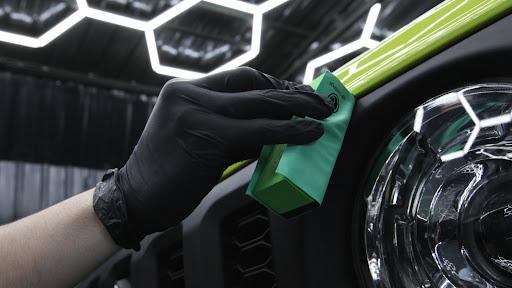
Why Professional Ceramic Coating for Cars Can Be Challenging on Repainted Panels
Professional ceramic coating for cars requires extra care when applied to repainted panels. Fresh paint may need additional curing time, while surface defects and differences between factory and repaired finishes can affect preparation. Checking the paint system, following manufacturer instructions, and inspecting the surface before application can help prevent avoidable problems.
Introduction
Have you recently repaired a scratch or repainted a damaged car panel? You may be thinking about ceramic coating to protect the finish. But before booking the service, there is one important question: Is your repaired paint ready for coating?
A panel can look completely dry without being fully cured. Applying a protective product too early may create complications. Understanding how paint repair affects ceramic coating can help you protect your vehicle without rushing into a decision.
Why Repainted Panels Require Extra Care
Factory paint and refinished paint can have different characteristics. During paint repair, a body shop may apply primer, basecoat, and clearcoat to restore the damaged area. These materials must cure according to the paint manufacturer's instructions.
The curing process depends on the paint system, application method, and drying conditions. If the coating is applied before the surface is ready, it may interfere with the intended finishing process.
Before choosing professional ceramic coating for cars, ask your body shop which paint system was used and whether the repaired panel is ready for additional protection.
4 Challenges of Ceramic Coating on Repainted Paint
1. Fresh Paint May Need More Curing Time
One of the main concerns is applying ceramic coating before the paint has cured sufficiently. Some automotive paint systems require additional time before they can safely receive a protective coating.
There is no universal waiting period for every repaired vehicle. Follow the paint manufacturer's guidance and confirm compatibility with the ceramic coating manufacturer's requirements before proceeding.
2. Existing Paint Defects Can Affect the Finish
A repainted panel may contain polishing haze, sanding marks, or other imperfections that are difficult to notice in ordinary lighting.
Ceramic coating does not remove these defects. In some cases, the coating can make existing imperfections more noticeable by changing how light moves across the surface.
A professional inspection can determine whether additional polishing or paint correction is appropriate before application.
3. Factory and Repainted Panels May Respond Differently
Your car might have original factory paint on most panels and refinished paint on just one door or fender. These surfaces can differ in hardness, thickness, and polishing requirements.
Using the same preparation method everywhere without checking the paint condition can create unnecessary risks, particularly when machine polishing is involved.
An experienced installer should assess the repaired panel individually and select a suitable preparation method.
4. Previous Repair Details May Be Missing
Sometimes, vehicle owners do not know when a panel was repainted or which products the body shop used. This information can affect decisions about coating readiness and surface preparation.
Keep your repair invoice whenever possible. Ask the repair shop about the paint system, curing process, and any restrictions on applying protective products. These details help the coating professional make an informed recommendation.
How to Prepare Repainted Panels Before Ceramic Coating
Before scheduling professional ceramic coating for cars, follow these practical steps:
-
Confirm the repair history: Find out when the work was completed and which paint system was used.
-
Check curing requirements: Ask the body shop and consult the relevant manufacturer's instructions.
-
Inspect the finish: Identify visible scratches, polishing haze, and surface defects.
-
Discuss preparation: Let a professional determine whether cleaning, polishing, or paint correction is necessary.
-
Follow aftercare instructions: Understand the recommended curing conditions and maintenance requirements after application.
Taking these steps helps you avoid rushing the process and paying for a service before the paint is ready.
Is Ceramic Coating Worth It After Paint Repair?
Ceramic coating can be a useful option once repaired paint is suitable for treatment. It can improve water repellency, make routine cleaning easier, and help reduce the adhesion of everyday dirt.
However, it does not make paint scratch-proof, prevent every stone chip, or correct poor-quality repair work. The condition of the surface and the quality of preparation remain important.
If you are considering professional ceramic coating for cars, choose a provider who asks about previous repairs and checks the paint before recommending a service. A proper assessment helps establish realistic expectations and supports a more suitable application process.
Final Thoughts
Repainted panels require careful evaluation before ceramic coating. Curing time, surface defects, and differences between factory and repaired paint can all influence the preparation process.
Before booking, confirm the repair details and consult a qualified professional. Taking the time to check paint readiness can help you make a better decision about protecting your vehicle's finish.
Author Bio:
An automotive care professional specializing in vehicle paint protection, surface preparation, and ceramic coating applications. Their expertise focuses on paint conditions, post-repair concerns, product compatibility, and responsible aftercare.
Frequently Asked Questions
Can ceramic coating be applied to repainted car panels?
Yes. Ceramic coating can generally be applied when the paint is sufficiently cured and compatible with the product. Follow the paint and coating manufacturers' instructions.
How long should I wait after paint repair?
The waiting period depends on the paint system, curing conditions, and coating requirements. Ask your body shop and coating installer to confirm when application is appropriate.
Does ceramic coating hide scratches in repaired paint?
No. Ceramic coating is a protective treatment, not a paint repair product. Existing scratches and sanding marks may remain visible after application.
Should I get paint correction before ceramic coating?
Not necessarily. It depends on the panel's condition. A professional inspection can establish whether polishing or other preparation is needed.

 English
 Arabic
 French
 Spanish
 Portuguese
 Deutsch
 Turkish
 Italiano
 Russian
 Romaian
 Portuguese (Brazil)
 Greek