


Inverted Nipple Surgery in Dubai: Understanding Follow-Up Care
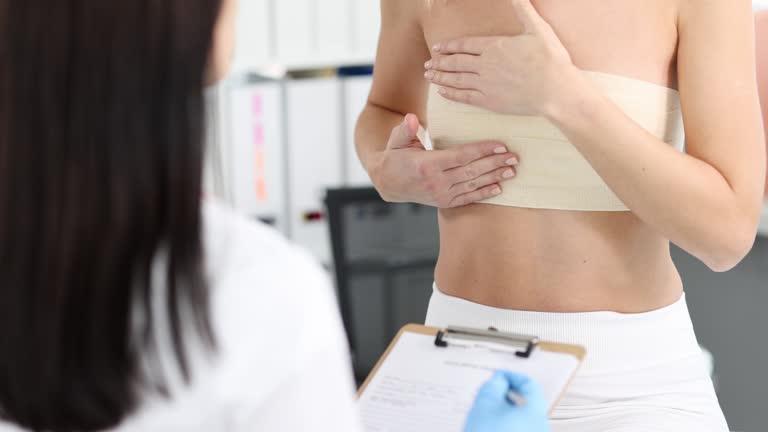
Inverted Nipple Surgery in Dubai involves more than the procedure itself. Follow-up appointments allow the treating clinician to assess healing, answer questions, and identify concerns that may need attention. Although recovery experiences differ, planned postoperative reviews are an important part of responsible surgical care.
Patients should understand how to follow their individual aftercare instructions, which changes may be expected, and when to seek medical advice. A clear follow-up plan can also help them understand how the appearance may evolve during healing.
The Purpose of Follow-Up After Inverted Nipple Surgery in Dubai
The early healing period provides an opportunity to monitor the surgical area and review the patient's recovery. The timing and number of appointments depend on the technique used, the patient's medical history, and the clinician's instructions.
Follow-up care may include:
-
Checking the incision and surrounding skin.
-
Reviewing swelling, tenderness, and any changes in nipple appearance.
-
Assessing whether healing is progressing as expected.
-
Discussing wound care and activity restrictions.
-
Answering questions about sensation, scars, and the expected evolution of the result.
Attending scheduled reviews is useful even when recovery seems straightforward. Some concerns may be easier to address when identified early.
What to Discuss During a Follow-Up Appointment
Patients do not need to wait until an appointment to mention a concern. However, a planned review is a useful time to raise questions about changes they have noticed.
Consider discussing:
-
Whether the tenderness or swelling is improving.
-
Whether the nipple's projection appears to be changing.
-
Any unexpected discharge, redness, or wound changes.
-
Changes in sensation or areas of persistent numbness.
-
When it may be appropriate to resume specific activities or use recommended scar-care products.
The clinician's advice should reflect your procedure and healing progress rather than a generic recovery timeline.
Recognising Changes That Need Medical Attention
Some swelling, tenderness, and bruising may occur after surgery, depending on the technique. However, patients should know which symptoms require prompt assessment.
Contact your treating healthcare professional if you notice worsening pain, increasing redness or warmth, unusual discharge, a wound that appears to be opening, or swelling that is becoming more pronounced rather than improving.
Seek urgent medical attention for severe or rapidly worsening symptoms, significant bleeding, fever with concerning wound changes, or other signs of a potentially serious complication. Follow any specific emergency instructions provided by your surgical team.
Supporting Healing Between Appointments
Good aftercare begins with following the instructions given by your clinician. The exact advice will depend on the procedure, wound closure, dressings, and individual circumstances.
Helpful general principles include:
-
Keep the area clean and manage dressings as instructed.
-
Avoid applying creams, antiseptics, or home remedies unless approved by your clinician.
-
Wear any recommended supportive clothing or protective dressing as directed.
-
Avoid stretching, rubbing, or applying pressure to the surgical area when advised.
-
Attend scheduled reviews and report unexpected changes promptly.
Do not judge the final result too early. The appearance may change as swelling settles and tissues heal, and the timeframe varies between patients.
Follow-Up and the Assessment of Long-Term Results
An early postoperative review focuses primarily on healing and complications. Assessing the longer-term appearance may require additional time because scars, tissue softness, and nipple projection can evolve during recovery.
If the nipple appears to be turning inward again, discuss the change with your clinician rather than trying to manipulate the area or using unapproved devices. Recurrence is possible, and any decision about further treatment should follow an appropriate assessment.
Frequently Asked Questions
How many follow-up appointments are needed after nipple correction?
There is no universal schedule. The number and timing of appointments depend on the surgical technique, healing progress, and the treating clinician's protocol.
Can I skip a follow-up if the wound looks fine?
It is best to attend the appointments recommended by your treating clinician. A review can assess aspects of healing that may not be obvious from appearance alone.
When should I contact the clinic between appointments?
Contact your treating team if you experience unexpected or worsening symptoms, have concerns about the wound, or are uncertain about your aftercare instructions. Urgent or severe symptoms may require immediate medical attention.
Continue Your Care With Tajmeels Clinic
Thoughtful follow-up helps patients understand their healing progress after Inverted Nipple Surgery in Dubai. Tajmeels Clinic can discuss postoperative expectations, explain the importance of individual aftercare instructions, and help patients understand when a concern warrants further assessment.
Arrange a personalised consultation with Tajmeels Clinic to discuss the procedure, expected follow-up, and the support required throughout your recovery.
Medical Disclaimer: This article provides general educational information and does not replace individual medical advice. Always follow the instructions of your treating clinician. Seek prompt medical assessment for possible complications or unexpected postoperative changes.

 English
 Arabic
 French
 Spanish
 Portuguese
 Deutsch
 Turkish
 Dutch
 Italiano
 Romaian
 Portuguese (Brazil)
 Greek