


Post-Repair Compliance Checks: Keeping Trucks Road-Ready After Major Repairs
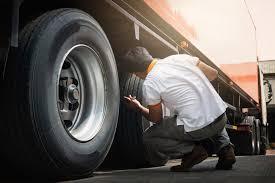
Truck major repairs do not necessarily mean that the maintenance process ends there. After a truck leaves the repair bay, the fleet manager needs to ensure that the vehicle is safe and complies with all regulations, thus ready to hit the road again. While the repair work could have resolved the major issue, there may be other parts of the vehicle that need to be checked out. That’s where commercial truck inspection in Dallas, TX could come in handy.
Why Post-Repair Checks Matter
A large repair job might require repair of several parts of the truck simultaneously. For instance, the brake system could need repairs to things like the brake chamber, air lines, and drums. The engine system can include repairing things like belts, hoses, fluids, and the cooling system.
Despite doing the correct original repair, there is always a chance that something else will get overlooked in the rush of things. Loose connections, leaking hoses, burnt-out lights, and old tires may not have anything to do with the original repair work.
The post-repair compliance inspection provides one more chance for the fleet manager to detect these issues prior to the truck hitting the road. This is a very simple procedure that helps prevent a minor issue from becoming a breakdown, a failed inspection, or costly repairs.
Start With the Work That Was Completed
The first thing is to analyze the repair order to know what was done. You can't take the word of the mechanic alone just because he said that the truck is okay.
What you need to do is look at what parts were fixed and problems found when the repair was carried out.
For example, if the truck recently had brake work, pay extra attention to:
-
Brake operation and adjustment
-
Air pressure and air lines
-
Brake chambers
-
Brake hoses
-
Warning lights
-
Parking brake operation
If suspension work was completed, check the related components for proper installation and signs of damage or wear.
The goal is not to repeat every step of the repair. It is to make sure the repaired system is working properly and that nothing around it was overlooked.
Check the Basic Safety Items
After major repairs, you shouldn’t neglect the basics that every inspector and driver works with on a daily basis. A truck may have its engine repaired well but fail to pass an inspection due to issues with lighting, tires, or safety equipment.
Before dispatching the vehicle, check:
-
Tires for damage and proper inflation
-
Wheels and lug nuts
-
Headlights and brake lights
-
Turn signals and clearance lights
-
Mirrors and windshield condition
-
Windshield wipers
-
Horn
-
Safety equipment
-
Fluid levels
-
Visible leaks
These inspections are not time-consuming when they are conducted as part of a routine procedure. They will actually save much more time than having to attend to any breakdown or inspection problems that may occur in the future.
For bigger fleets, fleet maintenance services are also helpful for maintaining such routine inspections. It is easier to track down which trucks have undergone major repair work and which ones require inspection before resuming operations.
Pay Attention to Compliance Records
Repairs and inspections should not be treated as separate activities. The paperwork behind the work is important too.
Fleet managers should keep repair records, inspection results, replaced-part information, and other relevant maintenance details together. Good records make it easier to answer questions later about what was repaired, when it was repaired, and whether follow-up work was completed.
Epika Fleet understands that commercial trucks need to stay productive, not sit in a shop for days. Its truck body repair team helps fleet operators address rust, corrosion, collision damage, and other body issues in one place. From damaged panels to paint and finishing work, the focus is on getting trucks back into working condition. This makes it easier for fleet managers to handle body repairs without adding unnecessary delays to their schedules.
Take the Truck Through a Final Inspection
A final inspection should focus on the condition of the complete vehicle, not only the repaired component.
For example, a truck that just received engine work should still receive a broader inspection before being dispatched. Check for fluid leaks, warning lights, loose connections, tire problems, lighting issues, and other visible concerns.
This is where a commercial truck inspection in Dallas, TX can provide useful support. A proper inspection can give fleet operators another layer of confidence that the vehicle meets required safety standards after significant repair work.
For companies managing several trucks, having a consistent inspection process is even more important. Every truck should go through the same basic checks instead of relying on whoever happens to be available that day.
Don't Ignore the Driver's Feedback
Drivers spend more time with the truck than anyone else. Their feedback can be valuable after a major repair.
A driver may notice that the steering feels different, the brakes respond differently, the truck pulls to one side, or an unusual sound has appeared. These signs should not be ignored simply because the original repair has been completed.
Give drivers a simple way to report anything that feels different after a repair. A short conversation before dispatch can sometimes uncover a problem that is difficult to identify while the truck is sitting in a repair bay.
For busy operators, this approach makes sense. The goal is to keep the truck moving, but it needs to move safely and reliably.
Use a Consistent Maintenance Process
Post-repair inspections work best when they are part of a bigger maintenance routine. Instead of treating every repair as a one-time event, fleet managers should have a clear process for returning vehicles to service.
That process can include:
-
Review the completed repair.
-
Check the repaired system.
-
Inspect major safety components.
-
Review warning lights and fluid levels.
-
Confirm required records are updated.
-
Complete a final road-readiness check.
-
Get driver feedback after the first trip.
Services such as fleet maintenance services can support fleets that need a more organized approach to keeping vehicles maintained and ready for work. The key is consistency. A good process reduces the chance of something being forgotten when the shop is busy.
Why a Final Compliance Check Can Save Money
It may seem like another inspection adds time to the maintenance process. In reality, a few extra minutes can help prevent much higher costs.
Sending a truck back out with an unresolved issue can lead to roadside repairs, missed deliveries, driver downtime, customer complaints, or an inspection violation. All of those problems can affect the bottom line.
A post-repair compliance check helps catch issues while the truck is still at the shop or yard, where they are usually easier and cheaper to address.
Epika Fleet can also help businesses maintain a more reliable approach to inspections and vehicle upkeep. Its maintenance and inspection support can help fleet operators stay focused on keeping trucks safe, compliant, and available for work.
Keep Trucks Ready Before They Roll
Major repairs should end with more than a closed repair order. The truck needs to be checked from front to back before it returns to regular service. Reviewing the repair, checking safety components, updating records, and listening to driver feedback can reduce the chances of a repair-related problem showing up on the road.
For fleet operators looking for an extra layer of confidence, commercial truck inspection in Dallas, TX can help verify that a repaired truck is ready to get back to work. A consistent inspection and maintenance routine, supported by reliable fleet maintenance services, can also reduce unexpected downtime and make compliance easier to manage.
The goal is simple: fix the truck, check the truck, document the work, and then put it back on the road with confidence. When every major repair gets the same final compliance check, fleet managers have a better chance of keeping vehicles safe, productive, and ready for the next load.

 English
 Arabic
 French
 Spanish
 Portuguese
 Deutsch
 Turkish
 Dutch
 Russian
 Romaian
 Portuguese (Brazil)
 Greek