


How to Plan an Efficient Garment Manufacturing Facility: From Project Consultancy to Advanced Machinery
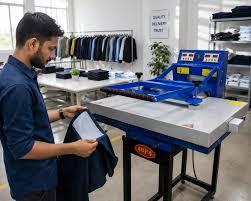
Setting up a successful garment manufacturing facility involves much more than purchasing sewing machines and hiring operators. Manufacturers must consider production capacity, factory layout, machinery selection, workflow management, finishing quality, utility requirements, and future expansion. Each decision affects operating costs, productivity, and the ability to meet customer expectations.
This is why professional garmenting project consultants can play an important role in developing a new apparel unit or modernizing an existing factory. With a structured approach to project planning, businesses can select suitable equipment, organize production areas efficiently, and establish processes that support consistent garment quality.
From fabric preparation and cutting to fusing, stitching, finishing, and industrial washing, every production stage needs to work in coordination. Understanding these requirements early helps manufacturers build a facility that meets their current objectives while remaining adaptable to changing market demands.
Why Garment Factory Planning Matters
A garment factory operates as an interconnected production system. Delays in one department can affect several others, while poorly selected machinery may create bottlenecks, inconsistent output, or unnecessary operating expenses.
Effective project planning begins with understanding the products to be manufactured. A unit specializing in formal shirts may require a different equipment configuration from a facility producing denim garments, jackets, uniforms, or knitted apparel.
Important planning considerations include:
-
Production capacity: Estimate daily output, order volumes, product variety, and seasonal demand.
-
Factory layout: Arrange departments to support logical material movement and reduce unnecessary handling.
-
Machinery selection: Match equipment capabilities to the garment types, production volumes, and quality standards.
-
Utilities and infrastructure: Assess electrical power, steam, compressed air, water, ventilation, and drainage where required.
-
Workforce planning: Consider operator skills, training requirements, maintenance personnel, and supervision.
-
Future expansion: Leave room for additional equipment, new product categories, and changing customer requirements.
A well-defined project plan brings these considerations together before major investments are made.
The Role of Garmenting Project Consultants in Factory Development
Experienced garmenting project consultants help manufacturers evaluate the technical and operational requirements of a production facility. Depending on the project scope, their work may cover feasibility assessment, machinery planning, layout development, equipment coordination, and commissioning support.
1. Assessing Business and Production Requirements
The first step is to identify the factory's intended product range, target customers, expected output, and available investment. These factors influence decisions about production technology and the number and type of machines required.
For example, a small unit producing customized apparel may benefit from a flexible machinery arrangement, while a high-volume export factory may need a more standardized workflow and greater automation.
2. Developing an Efficient Factory Layout
A practical layout should support smooth movement from fabric storage to spreading, cutting, sewing, finishing, inspection, and packing.
The design should also account for work-in-progress storage, operator movement, maintenance access, material handling, and safety. Where washing or specialized garment treatment is included, those operations should be planned around their specific utility and environmental requirements.
3. Selecting Suitable Machinery
Machine selection should follow the production plan rather than being based on price alone. Manufacturers should evaluate working capacity, fabric compatibility, operating requirements, service support, spare-parts availability, and expected maintenance needs.
A coordinated machinery plan can help reduce production imbalances and avoid investing in equipment that does not match the factory's actual requirements.
4. Supporting Installation and Operational Readiness
Depending on the agreement, project support may continue through installation, commissioning, operator training, and initial production trials.
These stages help verify that the equipment is installed correctly, operators understand the procedures, and production processes are ready for routine operation.
The Importance of Heat Press Fusing Technology
Fusing is an important operation in many garment manufacturing processes. It bonds interlining to fabric using controlled heat, pressure, and processing time. The operation is particularly relevant to collars, cuffs, waistbands, plackets, and other garment components that require structure or reinforcement.
Choosing the right Heat Press Fusing Machine can help manufacturers establish a more consistent fusing process.
What Should Manufacturers Evaluate?
Before selecting fusing equipment, businesses should consider several technical factors.
Temperature control: Different fabrics and interlining materials may require different processing conditions. Accurate temperature control helps support reliable bonding.
Pressure consistency: Uniform pressure across the working area contributes to consistent results and helps reduce weak bonding or visible marks.
Processing time: The machine's operating speed should suit the production line and the requirements of the material being processed.
Production capacity: The equipment should handle expected volumes without creating a bottleneck between component preparation and sewing.
Ease of operation: Accessible controls, suitable safety features, and clear operating procedures can simplify training and daily production.
Maintenance and service: Routine maintenance and access to technical support are important for sustaining equipment performance.
Conveyor Fusing for Production Efficiency
Conveyor-type fusing equipment can be suitable for manufacturers that process garment components continuously or in larger production batches. The conveyor moves materials through a controlled heating process, helping establish a repeatable workflow.
The appropriate configuration depends on the product range, interlining specifications, factory capacity, and available space. Manufacturers should conduct suitable material trials and follow the machine manufacturer's recommended operating parameters before starting regular production.
When fusing equipment is integrated properly into the production layout, it can support consistent component preparation and smoother downstream sewing operations.
Planning Industrial Laundry Operations for Garment Production
Some garment manufacturing businesses require industrial washing or finishing processes as part of their production workflow. Denim garments, workwear, uniforms, and other apparel products may need washing to achieve specific appearance, cleanliness, or finishing requirements.
In these applications, a Heavy Duty Washing Machine may be appropriate when its rated capacity and operating specifications match the intended workload.
Industrial laundry equipment should be selected according to actual process requirements rather than capacity alone.
Key Factors in Industrial Washing Equipment Selection
Load capacity: Evaluate typical batch size, daily throughput, garment type, and the number of operating cycles required.
Fabric compatibility: Different textiles and garment constructions may need different washing actions, cycle settings, and handling methods.
Water and energy consumption: Compare consumption per cycle or per kilogram of processed material where reliable specifications are available.
Process control: Programmable settings, where available, can help operators reproduce approved washing procedures and maintain consistency.
Installation requirements: Check the electrical supply, water connections, drainage, ventilation, and other site requirements specified by the manufacturer.
Maintenance and durability: Consider service accessibility, preventive maintenance schedules, spare parts, and the expected operating environment.
Integrating Washing into the Production Layout
Industrial washing should be coordinated with garment handling, inspection, drying, and subsequent finishing operations. Poorly planned movement between these stages can create delays, handling problems, and excess work in progress.
Manufacturers should also assess water management, wastewater treatment, chemical handling, and applicable environmental requirements before installing washing equipment. These considerations are especially important for processes that involve specialized garment treatments or substantial water use.
The objective is to establish a washing operation that meets product requirements while fitting the facility's capacity, infrastructure, and operating budget.
Connecting Machinery Selection with Overall Production Flow
Fusing and industrial washing serve different purposes, but both demonstrate why machinery decisions should be made in the context of the complete manufacturing process.
Fusing usually supports garment component preparation before or during assembly. Industrial washing, where required, serves a different processing stage and may take place before final finishing or inspection, depending on the product.
A coordinated project plan considers how each operation affects the next.
For example, a manufacturer producing structured shirts should assess fusing capacity alongside cutting and sewing requirements. A facility producing washed denim should evaluate washing capacity alongside garment handling, drying, finishing, and quality inspection.
This approach helps businesses identify potential bottlenecks before production begins. It also allows them to compare equipment alternatives using relevant measures such as throughput, quality consistency, resource consumption, maintenance requirements, and total ownership cost.
How to Choose the Right Project and Machinery Partner
Selecting a suitable technical partner requires careful evaluation. Manufacturers should look beyond product descriptions and examine the supplier's ability to understand the intended application.
Consider these practical questions:
-
Industry experience: Does the provider understand garment manufacturing processes and the equipment relevant to the project?
-
Technical assessment: Can the team evaluate production requirements before recommending machinery?
-
Layout coordination: Can equipment placement be considered alongside workflow, utilities, and available floor space?
-
Product range: Does the provider offer machinery suitable for the specific garment categories and processes involved?
-
Installation and training: What commissioning, operator training, and technical support services are included?
-
After-sales service: Are maintenance guidance, spare parts, and service arrangements clearly explained?
-
Scope and cost transparency: Are equipment specifications, installation responsibilities, exclusions, and expected project milestones documented?
The answers help manufacturers determine whether a prospective partner can support their actual requirements. Project responsibilities should always be confirmed in writing, particularly when civil work, utilities, regulatory approvals, or turnkey implementation are involved.
Improving Long-Term Factory Performance
Factory planning does not end when machinery is installed. Ongoing monitoring helps manufacturers understand whether the original production plan is delivering the expected results.
Useful performance indicators include production output, first-pass quality, machine downtime, order lead time, material wastage, energy consumption, and maintenance costs. The most relevant measures depend on the facility's product range and operating model.
Regular reviews can reveal whether a process needs adjustment, whether operator training should be improved, or whether additional capacity is justified.
Preventive maintenance is equally important. Cleaning, inspection, lubrication where specified, safety checks, and timely replacement of worn components can help reduce avoidable downtime. Operators should follow the equipment manufacturer's instructions and established workplace safety procedures.
As order volumes and customer requirements change, manufacturers can use these performance insights to make informed decisions about upgrades and future investment.
Conclusion
Developing an efficient garment manufacturing facility requires coordinated planning across production processes, machinery, utilities, workforce requirements, and quality control. Engaging knowledgeable garmenting project consultants can help businesses assess these requirements and make more informed decisions before committing to major investments.
The right equipment also plays a significant role. Suitable fusing technology can support consistent garment component preparation, while correctly specified industrial washing equipment can help meet the processing needs of products that require washing or specialized treatment.
By combining realistic capacity planning, appropriate machinery selection, an efficient factory layout, and ongoing performance monitoring, manufacturers can establish a stronger operational foundation for sustainable growth.
For businesses planning a new garment unit or upgrading existing production facilities, Welco Garment Machinery Pvt. Ltd. offers a starting point for exploring garment manufacturing and industrial machinery solutions. Visit Welco Garment Machinery to learn more about the available equipment and discuss your project requirements.

 English
 Arabic
 French
 Spanish
 Portuguese
 Deutsch
 Turkish
 Dutch
 Italiano
 Russian
 Portuguese (Brazil)
 Greek