


Tooth Crown Dubai: How Is a Cracked or Weakened Tooth Assessed Before Treatment?
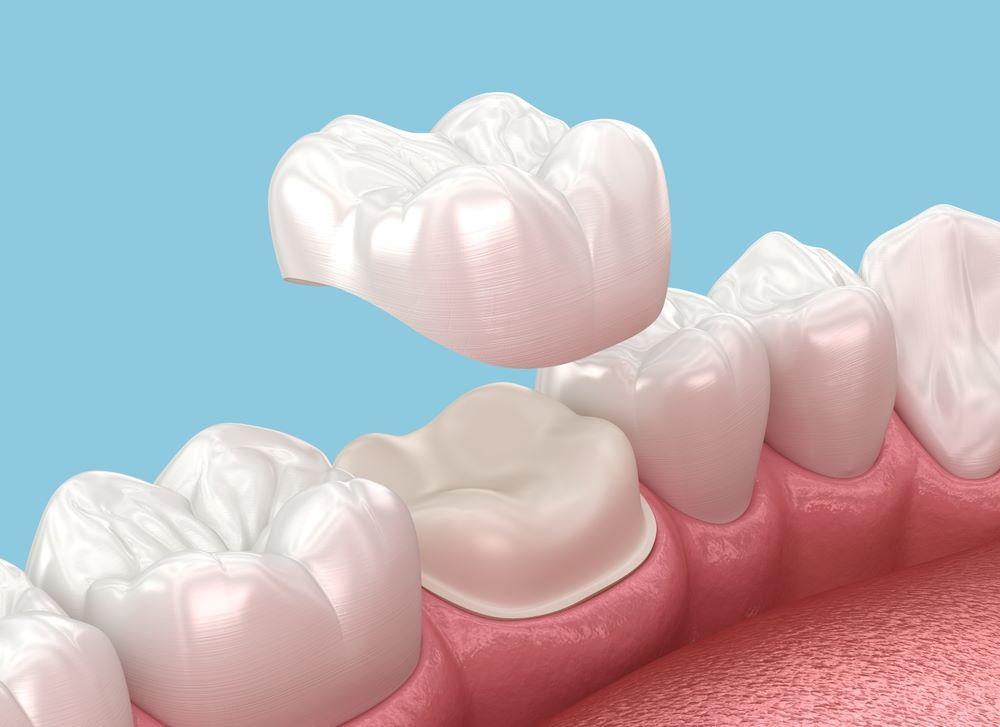
A cracked or weakened tooth can affect everyday activities such as chewing, speaking, and enjoying your favourite foods. While some teeth develop visible cracks, others may have structural changes that are difficult to notice without a dental examination. Identifying the cause and extent of the damage is an important first step in deciding whether a dental crown may be appropriate.
When considering Tooth Crown Dubai, patients often want to understand how a dentist evaluates a damaged tooth before recommending treatment. The assessment typically involves reviewing dental symptoms, examining the tooth, checking its remaining structure, and using diagnostic imaging when needed. These findings help the dentist determine whether a crown could provide suitable coverage and support or whether another dental treatment may be more appropriate.
At Cornerstone Clinic, understanding the condition of the tooth before choosing a restorative procedure is an essential part of treatment planning. A careful assessment helps the dentist consider the tooth's function, appearance, and long-term restorative needs.
Why Does a Cracked or Weakened Tooth Need Assessment?
Teeth experience repeated pressure during biting and chewing. Over time, this pressure, combined with factors such as tooth decay, previous dental restorations, accidental injury, or teeth grinding, can affect the strength of the tooth.
A crack may remain limited to the outer enamel, or it may extend into deeper layers. Similarly, a weakened tooth may have lost some of its natural structure because of decay, a large filling, or previous treatment. Although these conditions can sometimes look similar, they do not always require the same approach.
Before recommending a dental crown, the dentist needs to establish how much healthy tooth structure remains and whether the tooth can be restored effectively. A crown covers the visible portion of a tooth and can help protect and restore a tooth that has lost substantial strength.
The purpose of the initial assessment is therefore to understand the underlying problem rather than select a treatment based only on the appearance of the tooth.
Reviewing Dental Symptoms and Medical History
The assessment usually begins with a discussion about the patient's symptoms and dental history. The dentist may ask when the problem started, whether the discomfort occurs during chewing, and whether the tooth has become sensitive to hot or cold foods.
These details can provide useful clues about the condition of the tooth.
For example, discomfort when biting down may suggest that a crack or structural weakness is affecting how the tooth responds to pressure. Sensitivity to temperature may indicate that the inner layers of the tooth are involved. However, symptoms alone cannot confirm the precise location or severity of a crack.
The dentist may also ask about previous fillings, root canal treatment, dental injuries, or habits such as grinding and clenching. A tooth with a large existing restoration may have less natural structure remaining, while a tooth exposed to repeated grinding forces may require a different restorative assessment.
Understanding these factors helps the dentist develop a clearer picture of the tooth's condition before deciding on the next step.
Examining the Tooth for Visible Cracks and Damage
A clinical examination allows the dentist to inspect the tooth and surrounding tissues closely. The examination may involve good lighting, magnification, and dental instruments to identify visible changes in the enamel, tooth edges, or existing filling.
The dentist looks for signs such as fine surface lines, fractured corners, broken cusps, worn enamel, or areas where tooth structure has been lost. Existing fillings and restorations are also assessed to determine whether they remain intact and properly supported.
Not every visible line represents a significant crack. Some lines affect only the outer enamel, while other fractures may extend further into the tooth. The dentist considers the appearance of the line alongside the patient's symptoms and other examination findings.
The location of the damage is equally important. A crack affecting a biting surface may influence how chewing forces are distributed, while damage near the gumline may affect the amount of tooth structure available for restoration.
This examination helps establish whether a crown could cover and support the remaining tooth structure appropriately.
Assessing How Much Healthy Tooth Structure Remains
One of the most important considerations when planning a dental crown is the amount of sound tooth structure left after decay, fractures, or previous dental treatment.
A crown needs an appropriate foundation. If a large portion of the tooth has broken away, the dentist must determine whether the remaining structure can support the restoration. The condition of the tooth above the gumline and the accessibility of its margins can influence the treatment plan.
During this stage, the dentist may assess the size and position of existing fillings, the extent of any decay, and whether weakened areas can be restored while preserving as much healthy tissue as possible.
For instance, a tooth with a large filling and weakened cusps may benefit from a crown because the restoration can cover the remaining tooth and help distribute chewing forces. By comparison, a small area of superficial damage may not require full crown coverage.
The final decision depends on the individual tooth rather than a single rule that applies to every crack or weakened area.
Checking the Tooth's Pulp and Nerve Health
A tooth's internal condition can influence whether it is ready for a crown or needs additional treatment first. Beneath the enamel and dentine lies the pulp, which contains nerves and blood vessels.
When a crack extends deeper into the tooth, or when decay approaches the pulp, the tissue inside may become irritated or damaged. The dentist therefore considers whether the tooth's pulp appears healthy and whether the symptoms suggest inflammation or another underlying issue.
Assessment may include temperature-based sensitivity tests, gentle tapping, and other clinical checks. The dentist may compare the response of the affected tooth with neighbouring teeth to understand whether the findings are unusual.
Persistent or spontaneous pain, prolonged sensitivity, or discomfort that continues after a stimulus has been removed may require further investigation. These symptoms do not establish a diagnosis on their own, but they help guide the examination.
If the pulp is affected, the dentist may need to address the internal condition before placing a crown. In some cases, root canal treatment may be considered, followed by a suitable restoration. In other cases, the tooth may be restored without treatment to the pulp.
The aim is to ensure that the treatment plan addresses the condition of the entire tooth rather than only covering its visible surface.
Using Dental X-Rays and Other Diagnostic Tests
Dental X-rays can provide information that is not visible during a routine examination. They may help identify decay between teeth, changes around the roots, the condition of existing restorations, and other findings that could influence treatment planning.
However, fine cracks do not always appear clearly on conventional dental X-rays. A normal image does not necessarily rule out a crack, so imaging must be interpreted alongside the clinical examination and reported symptoms.
Depending on the findings, the dentist may recommend additional diagnostic methods. These could include specialised lighting, magnification, bite tests, or further imaging when clinically justified.
The choice of investigation depends on the suspected problem and whether the results are likely to change the treatment decision. Not every patient requires every available test.
By combining the examination with appropriate diagnostic information, the dentist can make a more informed decision about whether a crown is suitable and whether any additional treatment is needed.
Evaluating the Bite and Chewing Forces
A damaged tooth must be assessed in the context of the patient's bite. The way the upper and lower teeth meet affects how pressure is distributed during chewing.
If one tooth receives excessive force, a crack or weakened area may experience additional stress. Teeth grinding and clenching can also place repeated pressure on existing restorations and natural tooth structure.
The dentist may check how the teeth meet when the patient closes their mouth and whether the affected tooth contacts the opposing teeth appropriately. The examination can help identify signs of uneven wear or other factors that may influence the restoration.
When planning a crown, the dentist considers its shape, height, and contact with neighbouring and opposing teeth. The restoration needs to fit comfortably within the bite while supporting normal chewing function.
Where grinding is a concern, the dentist may also discuss ways to manage excessive pressure, depending on the patient's circumstances.
Determining Whether a Dental Crown Is Appropriate
Once the assessment is complete, the dentist reviews the findings to determine which restorative option best suits the tooth.
A dental crown may be considered when a tooth has substantial structural damage, weakened cusps, a large restoration, or a fracture that requires greater coverage than a smaller filling can provide.
Other situations may call for a different approach. Minor enamel damage may require little or no restorative treatment, while a smaller cavity may be suitable for a filling. Depending on the location and extent of a crack, a dentist may consider other restorative options.
If a fracture extends significantly below the gumline or affects the root in a way that prevents predictable restoration, a crown may not be sufficient. The dentist must evaluate whether the tooth can be retained and restored appropriately.
The decision is based on several factors, including the location of the damage, remaining tooth structure, pulp health, gum support, bite forces, and the patient's overall dental needs.
A crown is not automatically the right solution for every cracked tooth. Accurate diagnosis helps ensure that the chosen treatment addresses the actual problem.
Understanding Tooth Crown Cost in Dubai
The cost of a dental crown can vary depending on the condition of the tooth, the type of crown selected, the complexity of treatment, and whether additional procedures are needed before the restoration can be placed.
For patients researching Tooth Crown Cost in Dubai, it is helpful to understand that the assessment forms part of determining the appropriate treatment. A tooth requiring only a crown may involve a different treatment plan from one that also needs decay removal, additional structural support, or root canal treatment.
The choice of crown material may also influence the overall cost. Different materials offer different aesthetic and functional characteristics, and the dentist can explain which options may be suitable for the affected tooth.
Rather than relying on a general price estimate alone, patients should request an individual treatment plan that explains the recommended procedure, the material options, and any additional care that may be required.
This allows patients to understand both the clinical reasoning behind the recommendation and the expected costs before proceeding.
What Happens After the Assessment?
After evaluating the tooth, the dentist explains the findings and discusses the available treatment options. If a crown is recommended, the patient can learn about the preparation process, the selected material, and how the restoration will be designed to fit the tooth.
Depending on the clinical situation, the tooth may need preparatory treatment before crown placement. The dentist will explain the sequence of care and whether a temporary restoration is appropriate while the final crown is being made.
Once the crown is fitted, its shape, bite, and contact with neighbouring teeth are checked. The dentist also provides guidance on keeping the restoration clean and maintaining the surrounding gum tissue.
Follow-up appointments may be recommended according to the patient's needs. Regular dental examinations help the dentist monitor the restoration and the condition of the tooth over time.
Patients experiencing a new crack, a broken tooth, or persistent discomfort should arrange a dental assessment rather than waiting for the damage to become more extensive.
Conclusion
Assessing a cracked or weakened tooth before treatment is an essential part of planning a suitable dental restoration. The dentist considers the patient's symptoms, examines the visible damage, evaluates the remaining tooth structure, checks the health of the pulp, and uses diagnostic tests when appropriate. Bite assessment and the condition of the surrounding tissues also help guide the decision.
For patients considering Tooth Crown Dubai, a crown may be an appropriate option when a tooth needs additional coverage and support. However, the recommendation depends on the extent of the damage and whether the tooth can be restored successfully.
At Cornerstone Clinic, a personalised assessment can help clarify the condition of a damaged tooth, explain the available restorative options, and establish a treatment plan based on individual dental needs. Understanding the findings before treatment helps patients make informed decisions about restoring their tooth's function and appearance.
Frequently Asked Questions
1. How does a dentist assess a cracked tooth before recommending a crown?
The dentist reviews symptoms and dental history, examines the tooth for visible cracks, evaluates the remaining structure, checks pulp health, and may use X-rays or other diagnostic tests. These findings help determine whether a crown is suitable.
2. Can a cracked tooth be detected during a routine dental examination?
Some cracks are visible during a clinical examination, particularly when they affect the biting surface or tooth edges. Others are difficult to identify and may require magnification, specialised lighting, bite tests, or additional investigations.
3. Does every cracked tooth need a dental crown?
No. Treatment depends on the depth, location, and extent of the crack. Minor surface damage may not require a crown, while a tooth with substantial structural weakness may benefit from greater coverage. The dentist determines the appropriate option after examination.
4. Why does a dentist check the nerve before placing a crown?
The health of the pulp can affect the treatment plan. If the internal tissue is inflamed or damaged, additional treatment may be needed before the tooth is restored. A crown protects the outer tooth structure but does not independently treat an underlying pulp problem.
5. Can an X-ray show every tooth crack?
No. Fine cracks may not be visible on conventional dental X-rays. Imaging is useful for identifying other problems, such as decay or changes around the root, but the dentist also relies on clinical findings and symptoms.
6. How do I know if my weakened tooth needs a crown or a filling?
A filling may be suitable when the damage is limited and enough healthy tooth structure remains. A crown may be considered when a larger portion of the tooth is weakened or when the remaining structure needs additional coverage. The decision follows an individual assessment.
7. What affects Tooth Crown Cost in Dubai?
The cost can depend on the crown material, the condition of the tooth, the complexity of the procedure, and whether additional treatment is required. An individual examination helps the dentist provide a more relevant treatment plan and cost estimate.
8. Should I see a dentist if my cracked tooth does not hurt?
Yes. Some cracks cause little or no discomfort initially. A dental examination can help identify the extent of the damage and determine whether monitoring, restorative treatment, or another approach is appropriate.
9. What should I expect during a tooth crown consultation?
The consultation generally includes a review of symptoms and dental history, examination of the affected tooth, and diagnostic tests when necessary. The dentist then explains the findings, discusses suitable treatment options, and outlines the next steps.
10. Can a crown restore the appearance and function of a weakened tooth?
A well-planned crown can help restore the tooth's shape, appearance, and chewing function while covering weakened areas. The expected outcome depends on the tooth's condition, the suitability of the restoration, and appropriate ongoing dental care.

 English
 Arabic
 French
 Portuguese
 Deutsch
 Turkish
 Dutch
 Italiano
 Russian
 Romaian
 Portuguese (Brazil)
 Greek